
Fresh berries are delicate, and a little moisture or one damaged fruit can shorten the life of the whole container. With a few simple storage habits, you can help strawberries, blueberries, raspberries, and blackberries stay fresher for longer while preserving their texture and flavor.
Should You Wash Berries Before Storing Them?
In most cases, keep berries dry and unwashed until you are ready to eat or use them. Extra moisture can encourage mold and softening. Wash your hands and use clean equipment when handling produce, and rinse berries under cool running water immediately before serving. Do not use soap, detergent, or household cleaners on fruit.
Sort the Berries First
Check the container and remove fruit that is moldy, leaking, crushed, or badly bruised. Mold can spread quickly among soft berries. Discard moldy or spoiled berries rather than trying to salvage them by washing. Keep the remaining fruit in a clean container with room for airflow.
How to Store Different Berries
Strawberries
Refrigerate strawberries promptly and keep them dry, ideally in a breathable container lined with a clean paper towel to absorb excess moisture. Leave the green caps on until you are ready to prepare them. For more details, read our guide to storing strawberries in the refrigerator.
Blueberries
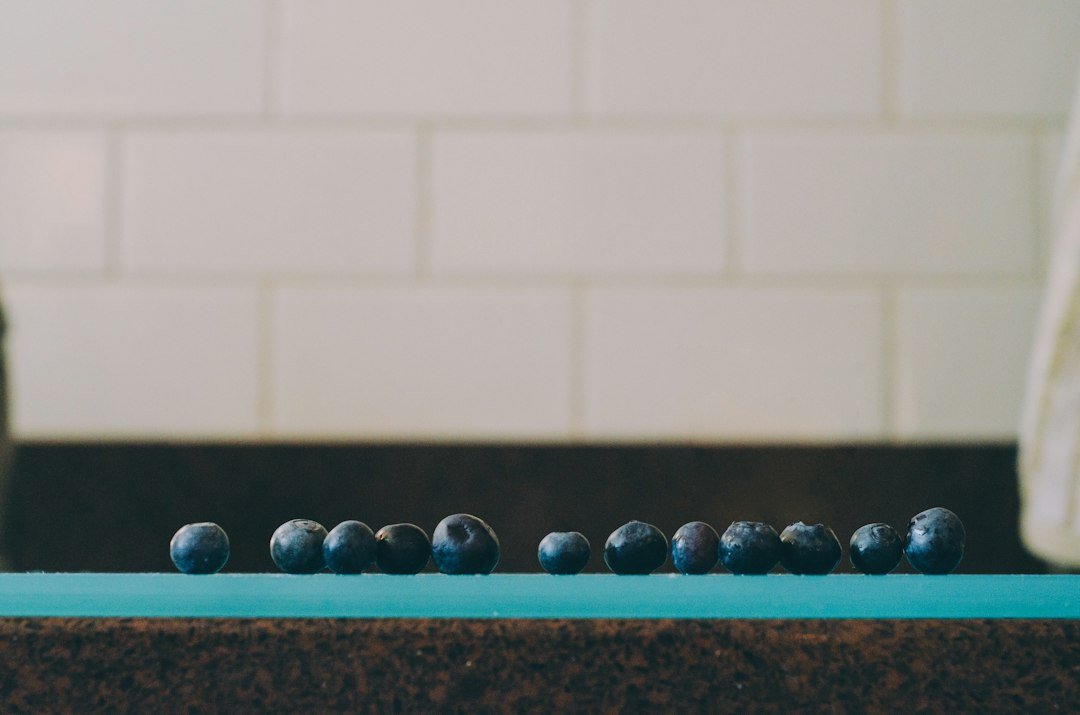
Keep blueberries refrigerated in their original ventilated container or another clean container that allows airflow. Remove crushed or moldy berries and avoid sealing damp fruit in an airtight container.
Raspberries and Blackberries
These berries are especially delicate. Arrange them in a shallow container where they are not heavily piled, refrigerate promptly, and check them regularly. Wash only the portion you plan to eat when possible.
Can You Use a Vinegar Wash?
Some home storage tips recommend a diluted vinegar rinse, but results can vary and any method that leaves berries wet may cause problems if they are not dried thoroughly. The simplest general approach is to keep berries dry during storage and rinse under running water just before eating. Follow local food-safety guidance and do not use cleaning products intended for household surfaces.
Can You Freeze Berries Before They Spoil?
Yes. If you cannot use berries in time, freezing is a practical option. Discard spoiled fruit, rinse berries under running water, dry them thoroughly, remove strawberry stems if desired, and spread the fruit in a single layer on a tray to freeze. Once firm, transfer them to a labeled freezer-safe bag or container. For step-by-step instructions, see our guide to freezing berries without clumping.
Common Berry Storage Mistakes
- Washing all berries well before they go into the refrigerator and storing them wet.
- Leaving damaged or moldy fruit mixed with healthy berries.
- Packing berries too tightly, which can bruise them and limit airflow.
- Leaving perishable fruit at room temperature for long periods.
- Assuming every berry variety keeps for the same amount of time.
Quick Berry Storage Checklist
- Refrigerate fresh berries promptly.
- Keep them dry until you are ready to eat them.
- Remove spoiled or damaged fruit as soon as you notice it.
- Use a clean, breathable container and avoid crushing the fruit.
- Rinse under cool running water just before serving.
- Freeze extra berries before they spoil.
Proper handling cannot make berries last indefinitely, but keeping them cold, dry, and free from spoiled fruit can help reduce waste. Check your berries daily and use the most delicate fruit first.
For food-safety advice, follow guidance from your local food-safety authority. Always discard produce that is moldy or spoiled.
3 thoughts on “How to Store Fresh Berries: Keep Strawberries, Blueberries and More Fresh”