
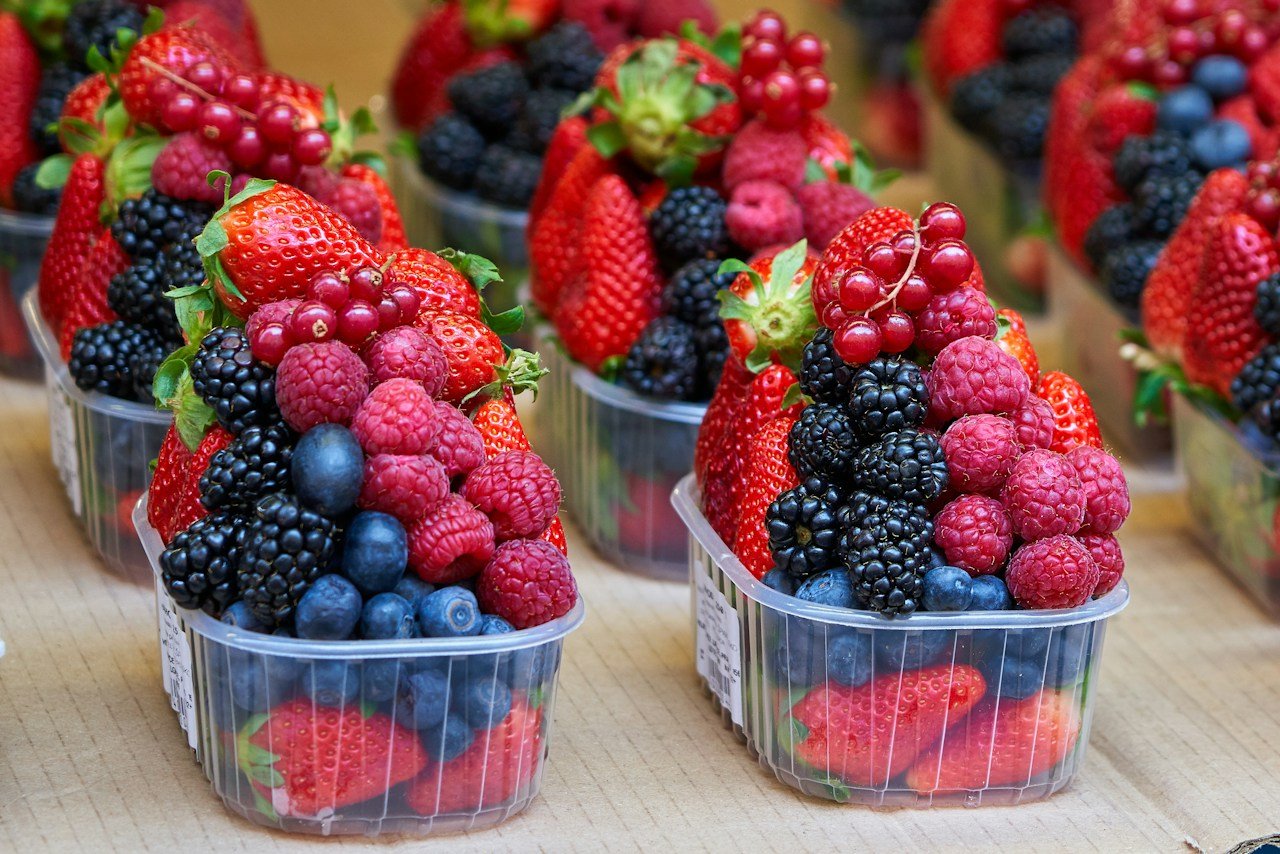
Fall berry availability depends on where you live, the weather, and whether fruit is grown locally or shipped from another region. While summer is the peak season for many familiar berries, autumn still offers flavorful options at farmers markets and grocery stores.
Which berries can you find in fall?
Cranberries
Cranberries are strongly associated with autumn in the United States. Fresh harvests generally reach stores in fall, ahead of the holiday season. Look for firm berries with deep color and avoid bags with many soft or shriveled fruit. Refrigerate fresh cranberries and use them within the package’s recommended window, or freeze them for later cooking.
Raspberries
Some regions and varieties produce fall raspberries, sometimes called autumn-bearing raspberries. Local harvest dates vary considerably with climate and first frost. Choose plump, dry berries without visible mold or leaking juice. Because raspberries are delicate, refrigerate promptly and wash just before eating.
Blackberries
Blackberries may remain available into early fall in warmer areas or from later-producing varieties. They should look evenly dark and plump, with no fuzzy growth or crushed, wet patches. Their season is highly regional, so farmers markets are a useful way to learn what is freshly harvested nearby.
Strawberries and blueberries
In many areas, the main outdoor seasons for strawberries and blueberries are earlier in the year. However, local growing systems, mild climates, protected cultivation, and shipments from other regions can keep them available in fall. Availability at a store does not necessarily mean the fruit was grown locally or harvested that week.
How to shop for fall berries
- Check the bottom of the container for juice, crushed fruit, or mold.
- Choose berries that are dry, intact, and appropriate in color for the variety.
- Ask vendors whether the berries were locally grown and when they were picked.
- Buy only what you can refrigerate and use promptly unless you plan to freeze them.
- Compare price and quality; a smaller container of sound fruit may be better value than a larger container with spoilage.
Store berries to keep them fresh
Keep most fresh berries refrigerated and avoid sealing damp fruit in a container. Remove damaged berries, but do not rinse the whole batch until you are ready to eat or cook it. Cranberries are generally more durable than raspberries and blackberries, so follow the package instructions for each type.
For more practical advice, see our guides on storing fresh berries, keeping strawberries fresh in the refrigerator, and growing strawberries in containers.
Can you freeze fall berries?
Yes. Sort out damaged fruit, rinse when appropriate, and dry thoroughly. Spread berries in a single layer on a lined tray until firm, then transfer them to a freezer-safe bag or container, removing excess air. Frozen berries are excellent for smoothies, sauces, baking, and cooked toppings. Texture may soften after thawing, so frozen fruit is often best for recipes rather than garnishing.
Reliable seasonal information
Season dates differ by state and year. Check local farmers markets and your state’s agricultural extension service for the most accurate regional calendar. The USDA’s seasonal produce resources can also help you plan around produce availability.
Frequently asked questions
Are fall berries always locally grown?
No. Grocery stores may stock berries shipped from warmer regions or grown in protected systems. Ask about origin if buying local is important to you.
Should I wash berries before refrigerating them?
Usually, it is better to keep them dry and wash just before eating. Extra moisture can speed spoilage, especially for raspberries and blackberries.