
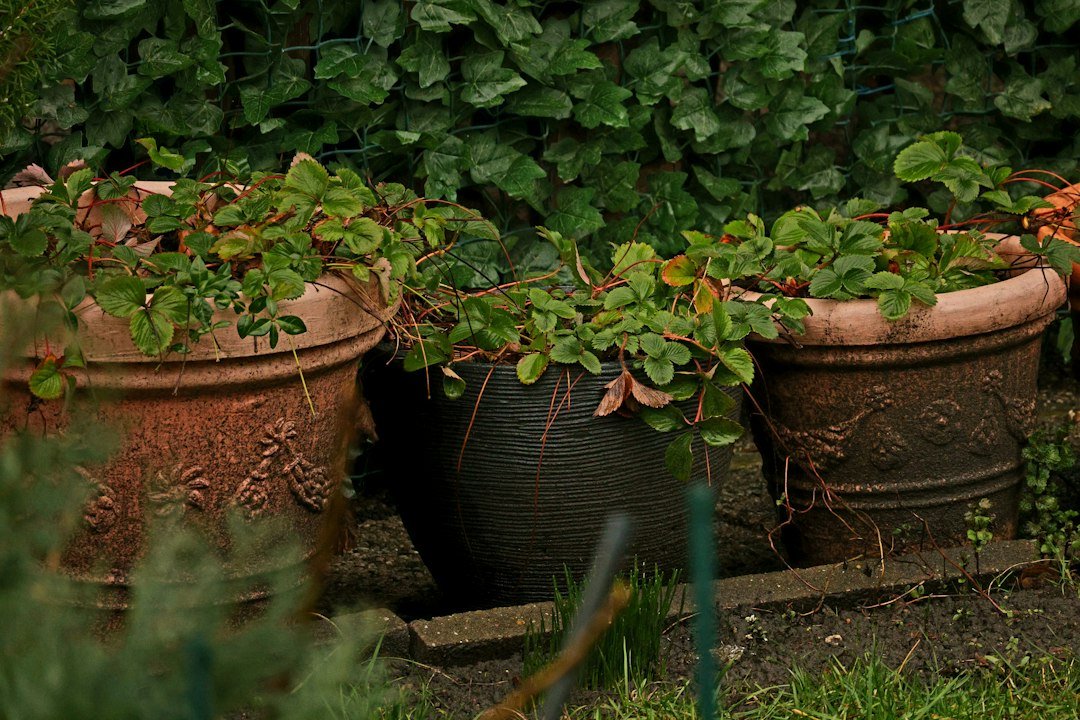
Growing strawberries in containers is a practical way to enjoy fresh fruit even when you have only a patio, balcony, deck, or sunny doorstep. With the right pot, suitable variety, regular watering, and enough sunlight, container strawberries can produce a rewarding crop without a traditional garden bed.
Choose the Right Strawberry Variety
For containers, day-neutral and everbearing varieties are often useful because they can produce fruit over a longer season when conditions are suitable. June-bearing varieties tend to deliver a larger crop over a shorter period. Look for plants recommended for your climate and check the nursery label for expected mature size and local planting dates.
Select a Container with Good Drainage
Choose a pot at least 8–12 inches deep with drainage holes. A wider container or strawberry planter gives plants room to spread, but avoid overcrowding: good airflow helps leaves dry and makes harvesting easier. Hanging baskets can work too, although they may dry out faster in warm or windy weather.
Use a clean container and a high-quality potting mix formulated for containers. Garden soil is usually too dense for pots and may drain poorly. Do not let the container sit in a saucer full of standing water.
Give Plants Enough Sunlight
Strawberries generally perform best with around six to eight hours of direct sunlight a day. In very hot climates, afternoon shade can help reduce heat stress. Place the pot where pollinators can reach the flowers and where you can water and harvest easily.
Plant at the Correct Depth
- Fill the container with moistened potting mix, leaving space below the rim for watering.
- Spread the roots gently instead of bending them into a tight bundle.
- Position the plant so the crown—the point where leaves and roots meet—sits at soil level. Burying it too deeply can encourage rot; leaving roots exposed can dry them out.
- Space plants according to the variety and container size, allowing air to circulate.
- Water thoroughly after planting and let excess water drain away.
Water Consistently and Feed Carefully
Container soil dries faster than garden beds. Check the mix regularly and water when the surface begins to dry, aiming for evenly moist—not waterlogged—soil. During hot, windy weather or fruit production, you may need to check daily. Water the soil rather than repeatedly wetting the leaves, and always ensure the pot drains freely.
Use a balanced fertilizer according to its label and the needs of your chosen variety. Too much nitrogen can encourage leafy growth at the expense of fruit. Avoid adding fertilizer more often than directed.
Protect Flowers and Ripening Fruit
Remove weeds and damaged leaves, and watch for aphids, slugs, mites, and signs of fungal disease. Provide airflow and avoid overcrowding. In cold regions, protect containers from severe freezes; roots in pots are more exposed than roots in the ground. In hot weather, move pots away from reflected heat if plants wilt despite appropriate watering.
Harvest berries when they are fully red and fragrant, handling them gently to avoid bruising. Pick ripe fruit regularly so it does not attract pests. For best flavor and storage, see our guides on choosing and storing fresh strawberries and keeping strawberries fresh in the refrigerator.
Common Container Strawberry Problems
- Few flowers or fruit: check sunlight, plant variety, and whether plants are too crowded.
- Yellowing leaves: check watering, drainage, and fertilizer use before adding more nutrients.
- Small or dry fruit: inconsistent moisture or excessive heat may be contributing factors.
- Soft or moldy berries: harvest ripe fruit promptly, improve airflow, and remove affected fruit.
A Simple Container Strawberry Checklist
- Choose a climate-appropriate variety.
- Use a pot with drainage holes and quality potting mix.
- Provide six to eight hours of sun when possible.
- Keep the mix evenly moist and avoid standing water.
- Feed according to the product label and avoid excess nitrogen.
- Harvest ripe fruit regularly and inspect plants for pests.
Container strawberries reward steady, simple care. Start with a suitable variety and a well-drained pot, then adjust watering to your weather and plant growth. A small sunny space can be enough to begin growing your own berries at home.
Growing results vary with cultivar, climate, container size, and care. Follow local extension recommendations for planting dates and pest management in your area.