
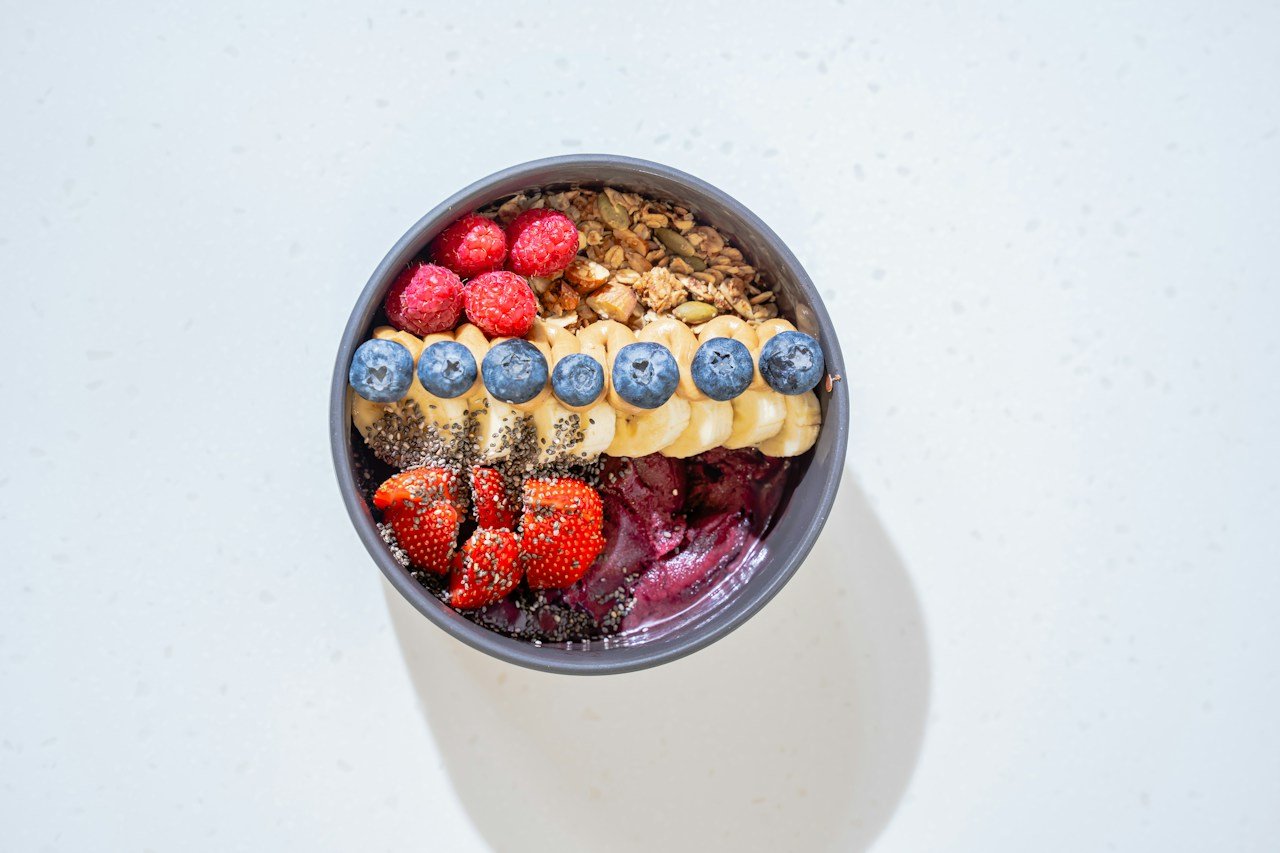
Fresh and frozen berries can both be useful choices for everyday meals. Which is best depends on season, price, intended recipe, and how quickly you can use the fruit. Freezing is a practical way to preserve berries at their best and reduce waste when fresh fruit is not available or affordable.
How are frozen berries different from fresh?
Fresh berries are often chosen for their texture and appearance in snacks, fruit salads, and toppings. Frozen berries are convenient for smoothies, oatmeal, sauces, and baking. Commercial berries are typically frozen soon after harvest, which helps preserve quality; fresh fruit may spend time in transport and storage before reaching the store. Exact nutrient levels vary by berry, variety, maturity, handling, and storage.
Do frozen berries retain nutrients?
Freezing generally preserves many nutrients, although some vitamins can change during processing and storage. There is no single rule that frozen berries always contain more or fewer nutrients than fresh berries. Both can contribute fruit, fiber, and a range of naturally occurring plant compounds to a balanced eating pattern.
Texture: when fresh berries are better
Fresh berries are usually the better choice when you want a firm bite, a neat garnish, or an attractive fruit salad. Once thawed, many berries soften and release juice. Raspberries and blackberries are especially delicate, while blueberries may retain their shape more successfully.
When frozen berries are more convenient
- Smoothies and blended drinks.
- Oatmeal, overnight oats, and warm cereal.
- Sauces, compotes, and fruit toppings.
- Muffins, pancakes, and baked oats.
- Meal prep when you want fruit ready without worrying about rapid spoilage.
Cost and availability
Fresh berries may be less expensive when they are in season locally. Frozen berries can offer more predictable availability throughout the year and make portioning easy. Compare the price per serving, check whether the package contains added sugar or syrup, and choose plain frozen fruit when that best fits your needs.
How to use frozen berries safely
Keep frozen fruit frozen until you need it. Add it directly to smoothies or cooked recipes, or thaw it in the refrigerator when a recipe calls for softer fruit. Follow package instructions, avoid leaving thawed fruit at room temperature for long periods, and do not refreeze berries that have been held at unsafe temperatures.
How to keep fresh berries in good condition
Refrigerate fresh berries promptly, remove damaged fruit, and wash under running water just before eating. Dry berries well if you wash them ahead of time. For more help, see our guides to storing fresh berries, freezing berries without clumping, and refrigerator storage by berry type.
Which should you choose?
Keep both options in mind. Buy fresh berries when they look good and you expect to use them soon. Keep frozen berries on hand for convenience, recipes, and times when fresh fruit is costly. A varied pattern that includes fruit you enjoy is more useful than worrying about a strict fresh-versus-frozen rule.
For broader guidance on fruit and vegetables, consult the USDA MyPlate fruit recommendations. For produce cleaning, follow the FDA’s safe handling tips.
Frequently asked questions
Do I need to thaw frozen berries before adding them to oatmeal?
No. You can stir them into hot oatmeal or let them thaw overnight in refrigerated oats. They may release juice and change the color of the dish.
Are sweetened frozen berries the same as plain frozen berries?
Not necessarily. Check the ingredient list and nutrition label; some products contain added sugar or syrup, while others contain only fruit.