
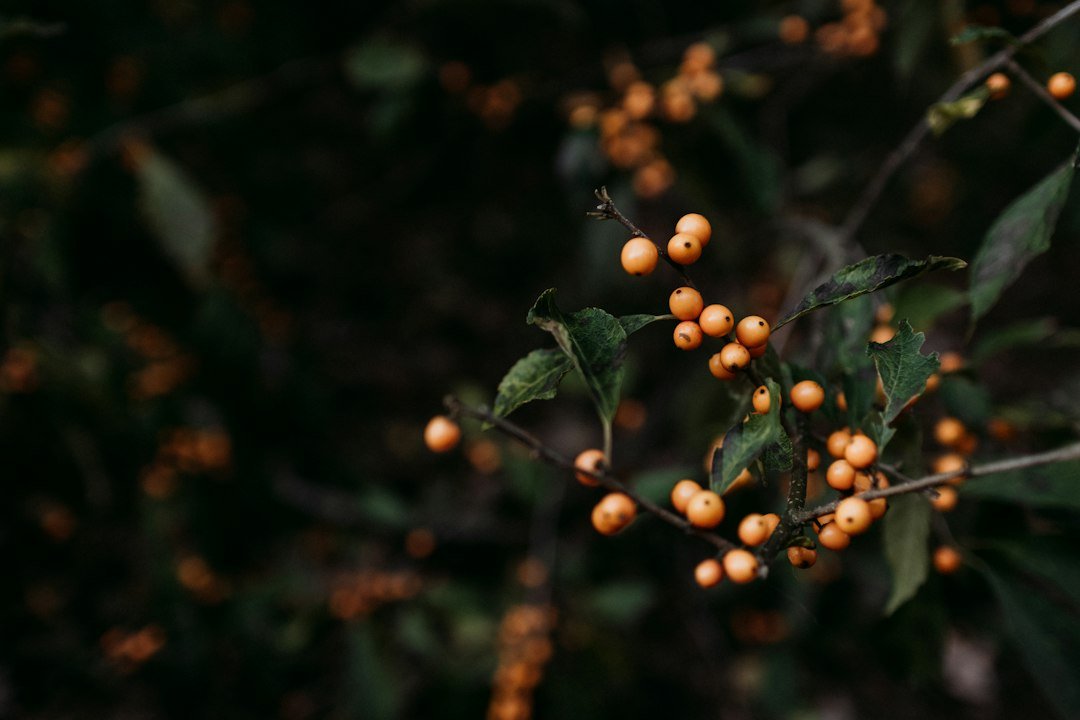
Cloudberries are small, golden-orange berries that grow in cool northern regions. They may look a little like raspberries, but their color, growing conditions and flavor make them easy to distinguish. If you have seen cloudberry jam on a Scandinavian menu or in a specialty food shop, this guide explains what the fruit is, where it grows, when it is in season and how people use it.
What Is a Cloudberry?
A cloudberry (Rubus chamaemorus) is a wild fruit in the rose family, the same broader plant family that includes raspberries and blackberries. It grows on a low, creeping perennial plant rather than a tall bush. Each plant typically produces a single berry from a flower, and the ripe fruit changes from reddish to a warm amber or golden-orange color.
Cloudberries are sometimes called bakeapples in parts of Atlantic Canada. They are also known by regional names in northern Europe. The name can vary by country and community, but it generally refers to the same northern wild berry.
What Do Cloudberries Look and Taste Like?
A ripe cloudberry is usually golden yellow to orange, soft and delicate, with a clustered shape made up of small drupelets. Unripe fruit is firmer and often reddish. Because ripe berries are delicate, they can be difficult to transport and are often sold frozen, preserved or made into jam.
The flavor is distinctive: sweet-tart, aromatic and sometimes described as floral, honey-like or slightly earthy. Ripeness makes a difference. Fully ripe fruit is softer and more rounded in flavor, while less-ripe berries can taste sharper and more acidic. The texture is juicy and can seem almost creamy when the fruit is very ripe.
Where Do Cloudberries Grow?
Cloudberries are native to cool, northern parts of the world. They are associated with boreal and Arctic regions, including parts of Scandinavia, Finland, Iceland, northern Russia, Canada and Alaska. In the United States, they are found in parts of Alaska rather than being a common backyard berry across the lower 48 states.
The plants tend to grow in acidic, wet habitats such as bogs, peatlands, tundra edges and cool moorlands. They spread through underground rhizomes and are adapted to short growing seasons and cold climates. These specialized habitats help explain why cloudberries are not widely cultivated like strawberries or blueberries.
When Are Cloudberries in Season?
The harvest period depends on latitude, elevation and local weather. In many northern areas, cloudberries ripen during the short summer season, often from mid-summer into late summer. A warm or cool spring can shift the timing, so local harvest reports are more useful than a single calendar date.
Because the fruit is fragile and grows in specific wild habitats, availability can be limited. Frozen cloudberries, preserves and cloudberry jam may be easier to find outside the local harvest season.
How Are Cloudberries Used?
Cloudberries can be eaten fresh when ripe, but their strong sweet-tart flavor also works well in preserves and desserts. Common uses include:
- Cloudberry jam: A classic preparation in parts of Scandinavia, often served with pancakes, waffles or toast.
- Desserts: Spoon the berries or a fruit sauce over ice cream, yogurt, cheesecake or custard.
- Sauces: Pair a lightly sweetened cloudberry sauce with pancakes, baked goods or suitable savory dishes.
- Frozen fruit: Use thawed berries in smoothies, compotes and baking, allowing for their softer texture.
- Preserves: Jams and sauces make the short-season fruit available for longer.
If you enjoy comparing unusual wild fruits, you may also like our guides to salmonberry vs. cloudberry, what a mayhaw berry is and what a loganberry is.
Cloudberries vs. Raspberries: What Is the Difference?
Both fruits belong to the Rubus genus, but they are not interchangeable. Raspberries grow on upright or arching canes and are commonly red, black, purple or golden depending on the variety. Cloudberries grow low to the ground in cold, wet northern habitats and ripen to a golden-orange color. Raspberries are widely cultivated and easier to find fresh; cloudberries are more seasonal and often sold frozen or preserved.
Are Cloudberries Safe to Eat?
Food-grade cloudberries sold by reputable shops are generally eaten as other familiar berries are. If you forage, be certain of the identification and follow local access and harvesting rules. Do not eat a wild berry based only on color or a photo, and avoid collecting from contaminated sites or protected areas. Wash fresh fruit gently and discard berries that are moldy or spoiled.
People with known fruit allergies should avoid a food that has caused a reaction and seek medical advice about uncertain symptoms. This article is general food information, not individual medical advice.
Frequently Asked Questions
Are cloudberries the same as salmonberries?
No. They are different wild fruits. Cloudberries are golden-orange and associated with northern bogs and tundra habitats, while salmonberries are usually orange to red and grow on shrubs in parts of the Pacific Northwest and other coastal regions. See our salmonberry vs. cloudberry comparison for more detail.
Why are cloudberries expensive?
They grow in specific northern habitats, have a short harvest season and are delicate to handle and transport. Wild harvesting and limited supply can make them more expensive than widely farmed berries.
Can you grow cloudberries at home?
They need cool conditions and specialized acidic, moist soil similar to their natural habitat. They are not an easy choice for most home gardens, especially in warm climates. Research local suitability and plant availability before attempting cultivation.
Can you eat cloudberries raw?
Yes, ripe cloudberries can be eaten fresh when correctly identified and safely harvested. Their delicate texture and short season mean they are also commonly enjoyed as jam, sauce or frozen fruit.
Final Thoughts
Cloudberries are distinctive northern wild berries prized for their golden color and sweet-tart flavor. They grow in cool, wet habitats, ripen during a short summer season and are often enjoyed in jam, desserts and sauces. If you find them fresh or frozen, their unusual flavor offers a taste of the far north.