
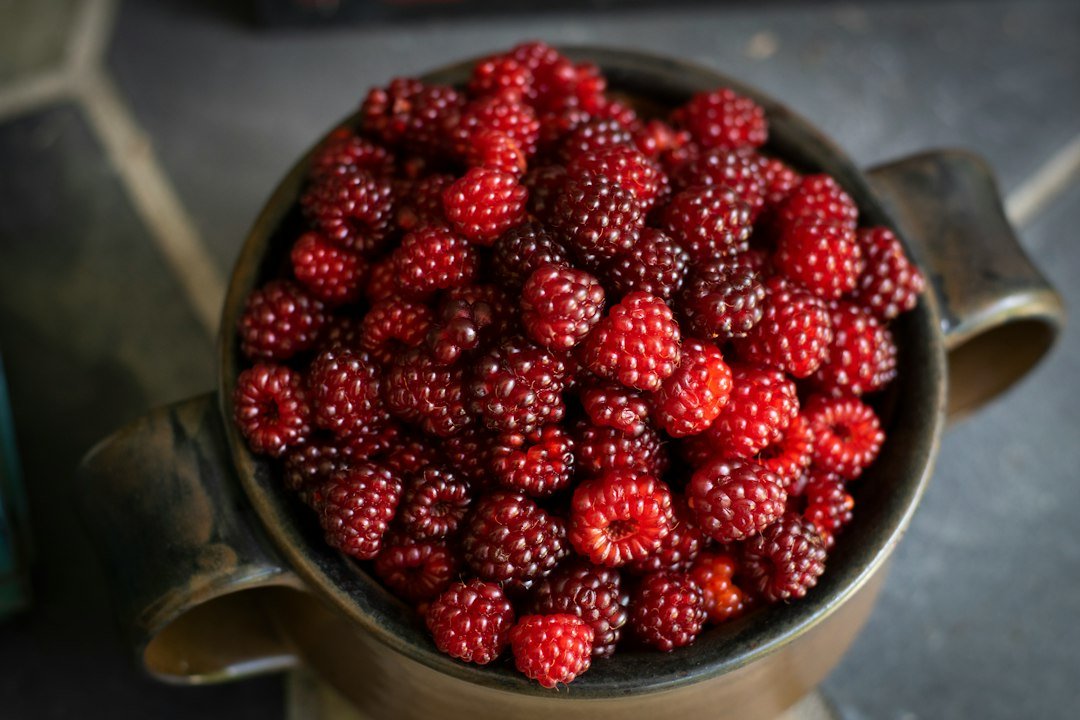
A loganberry is a distinctive bramble fruit that brings together qualities of raspberries and blackberries. Its elongated, deep-red berries have a bright, tangy flavor that works beautifully in fresh desserts, jams, pies, and sauces. If you have seen loganberries at a farm stand or in a garden catalog and wondered what makes them different, this guide explains the fruit, its season, and practical ways to enjoy it.
What Is a Loganberry?
Loganberry (Rubus × loganobaccus) is a raspberry–blackberry hybrid associated with horticulturist James Harvey Logan in California in the 1880s. It belongs to the same bramble group as raspberries, blackberries, and other cane fruits. Oregon State University Extension lists Logan among the raspberry–blackberry hybrids grown as trailing blackberries.
Unlike a standard blackberry, a loganberry usually has a long, conical shape and a dusky red color. It is grown in home gardens and commercial berry plantings, especially in regions suited to trailing cane fruits.
How to Recognize Loganberries
- Shape: Usually elongated and conical rather than round.
- Color: Deep red to dusky red when ripe; color can vary by cultivar and growing conditions.
- Texture: Juicy, with a tender skin and small seeds.
- Plant: A vigorous bramble with long, trailing canes. Many traditional types have prickles.
- Harvest: Berries do not all ripen at once, so growers may pick the planting more than once during the harvest window.
Because loganberries are cultivated hybrids, do not identify an unknown wild berry from color or a photograph alone. Buy plants from a reputable nursery and use a reliable regional plant guide before eating any unfamiliar fruit.
What Does a Loganberry Taste Like?
Loganberries are known for a distinctive, lively flavor. Their color and flavor lean toward raspberry, while their size and bramble growth habit recall trailing blackberries. Expect a balance of fruitiness and noticeable tartness rather than the mild sweetness of a very ripe strawberry. Growing conditions and the stage of ripeness affect the flavor, so individual berries can taste different.
Their acidity is useful in cooking: it gives jams, pies, syrups, and sauces a clear berry flavor without making them taste flat or overly sweet. If you prefer a sweeter result, pair loganberries with ripe strawberries, peaches, or a little sweetener.
When Are Loganberries in Season?
Loganberry harvest dates depend on the cultivar, local climate, and spring weather. In Oregon, the regional berry industry lists a typical harvest from mid-July to mid-August. Other growing areas may ripen earlier or later, so use local nursery and extension guidance rather than treating one calendar as universal.
Pick berries when they have developed their mature red color and come away easily. Handle them gently because the fruit is tender. Sort out damaged or moldy berries as soon as you bring them indoors.
Loganberry vs. Blackberry vs. Raspberry
| Fruit | Typical appearance | Flavor profile | What makes it different |
|---|---|---|---|
| Loganberry | Elongated, dusky-red fruit | Distinctive, tangy, raspberry-leaning | A raspberry–blackberry hybrid, commonly grown on trailing canes |
| Blackberry | Usually dark purple-black when ripe | Often rich and sweet-tart | A bramble fruit with many small drupelets |
| Raspberry | Usually red, with other cultivated colors available | Bright, aromatic, sweet-tart | A ripe fruit typically separates from its central receptacle, leaving a hollow center |
For more detail, see our complete blackberry guide and raspberry growing and fruit guide.
How to Use Fresh Loganberries
- Eat them fresh: Add ripe berries to yogurt, oatmeal, or a simple fruit bowl.
- Make preserves: Their tart flavor is excellent in jam, jelly, and fruit spreads.
- Bake with them: Use loganberries in pies, crumbles, muffins, and quick breads.
- Blend into drinks: Strain the fruit into a bright juice, smoothie, or homemade syrup.
- Freeze extras: Spread clean, dry berries in a single layer on a tray, freeze until firm, then transfer to a sealed freezer container.
If you enjoy cooking with different berry varieties, explore our easy mixed berry compote and berry oatmeal ideas for more ways to use fruit.
Can You Grow Loganberries at Home?
Yes, where the climate and cultivar are suitable. Loganberries have a trailing growth habit, so plan for a sturdy trellis or support system and enough room to manage long canes. Oregon State University Extension recommends managing Logan and similar raspberry–blackberry hybrids as trailing blackberries.
- Choose a sunny site with well-drained soil.
- Check local extension recommendations for cultivars that suit your winter temperatures and growing season.
- Install the trellis before the canes become difficult to handle.
- Keep first-year canes separate from older fruiting canes when training and pruning.
- After harvest, remove spent fruiting canes according to the cultivar’s pruning guidance, while protecting healthy new canes for the next crop.
For regional planting advice, start with our guide to berry bushes to plant in fall and consult your local Cooperative Extension office.
Washing and Storing Loganberries
Keep fresh berries cold and handle them gently. Remove any fruit that is leaking, crushed, or moldy. Rinse berries under clean running water just before eating or preparing them, then drain and pat dry. Do not use soap or household detergent on fruit. Our guide explains how to wash fresh berries without damaging them.
Frequently Asked Questions
Is a loganberry a blackberry or a raspberry?
Neither exactly. It is a hybrid of blackberry and raspberry, with traits from both parent groups.
Are loganberries sweet or sour?
They are usually sweet-tart, with noticeable acidity. Ripeness and cultivar influence the balance.
Can you eat loganberries raw?
Yes. Cultivated ripe loganberries can be eaten fresh after being rinsed under running water. They are also useful in cooked recipes and preserves.
Do loganberries need a trellis?
Most loganberry plants have trailing canes and are easier to manage with support. Follow the instructions for the cultivar you purchase.
Are loganberries the same as boysenberries?
No. They are related raspberry–blackberry hybrid brambles, but they are different named fruits with different cultivar backgrounds and fruit characteristics.
Further Reading
For cultivar and growing information, see Oregon State University Extension’s Blackberry Cultivars for Oregon and its guide to growing raspberries, blackberries, and their hybrids on the Oregon Coast. These regional resources explain why trailing hybrids need a little different care from upright blackberry plants.
Featured image credit: Katie Bernotsky via Unsplash. The image illustrates mixed bramble fruit; it is not a botanical identification photograph of a specific loganberry cultivar.