
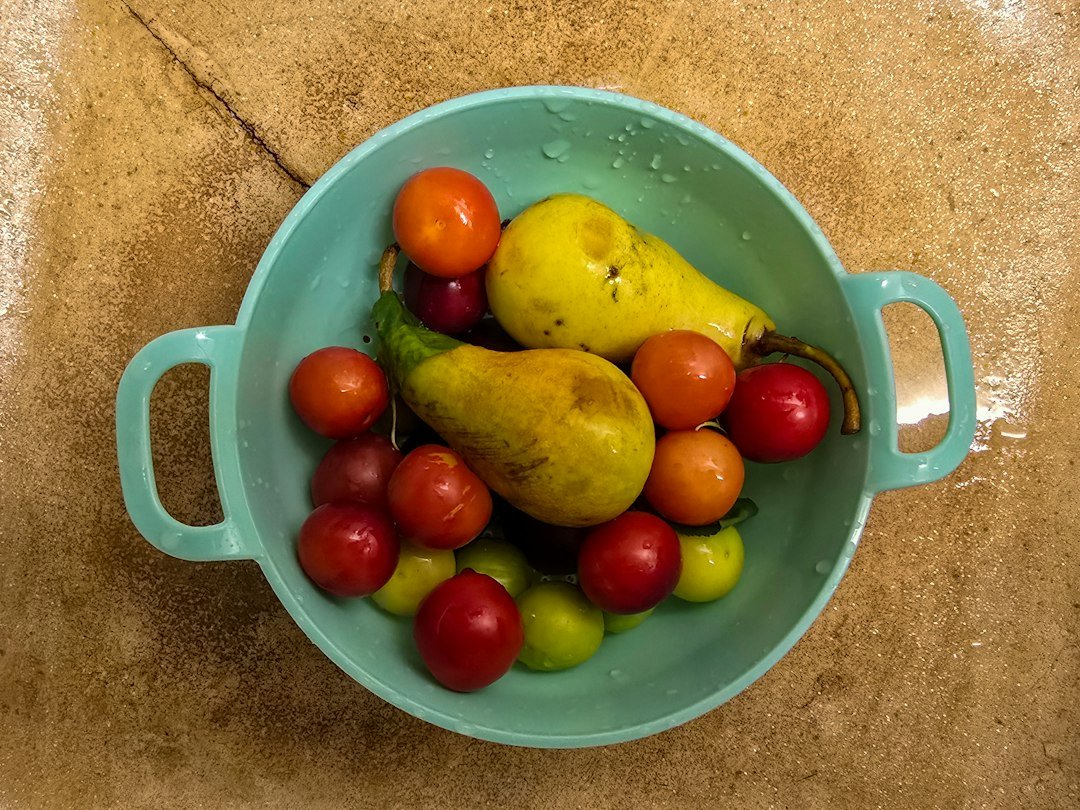
Fresh berries are delicate, and washing them at the wrong time can leave them damp and shorten their storage life. The best routine is simple: remove damaged fruit, rinse berries under cool running water shortly before eating or preparing them, and dry them gently. You do not need soap, detergent, or a special produce wash.
Should you wash berries as soon as you bring them home?
Usually, it is better to wait until you are ready to eat or use them. Extra moisture encourages softening and can help mold spread during storage. Instead, sort the container when you get home, remove crushed or moldy berries, and refrigerate the rest dry. If you prefer to wash berries in advance for convenience, dry them thoroughly and store them in a clean container lined with a paper towel, checking for moisture regularly.
How to wash strawberries, blueberries, raspberries, and blackberries
Strawberries
Keep the green tops attached while rinsing so the berries absorb less water through the cut surface. Place them in a colander and rinse gently under cool running water, turning them with your hand. Pat dry with a clean paper towel or let them air-dry in a single layer before slicing or storing.
Blueberries
Put blueberries in a fine-mesh strainer and rinse under a gentle stream of cool water. Swirl them lightly rather than rubbing each berry. Remove stems or damaged berries and dry them on a clean towel if you are not eating them immediately.
Raspberries
Raspberries are especially fragile. Place them in a single layer in a colander and use a very gentle stream of water. Avoid soaking, squeezing, or stirring vigorously. Let them drain and carefully blot excess moisture. Because they soften quickly, wash only the amount you plan to eat when possible.
Blackberries
Rinse blackberries gently in a colander, turning them carefully so water reaches all sides. Discard berries that are leaking, mushy, or visibly moldy. Dry them in a single layer before serving or adding them to a recipe.
Step-by-step berry washing routine
- Wash your hands. Use soap and water before handling fresh produce.
- Clean the work area. Use a clean colander, bowl, and towel.
- Sort first. Remove damaged fruit and any berry showing mold; do not try to wash mold away.
- Rinse under cool running water. Avoid soap, bleach, detergent, or household cleaning products.
- Handle gently. Do not scrub delicate berries or leave them soaking in standing water.
- Drain and dry. Use a clean towel or paper towel and avoid crushing the fruit.
- Eat or refrigerate promptly. Do not leave washed berries sitting wet at room temperature.
Is vinegar water necessary?
No. For everyday home use, rinsing produce under clean running water is the recommended basic approach. Vinegar soaks are not a substitute for careful handling, and they may affect flavor or texture if berries are soaked too long. Never use dish soap or disinfectants on fruit. Follow the food-safety guidance from the U.S. Food and Drug Administration: rinse produce under running water and avoid soap or commercial produce washes.
How should you store berries after washing?
Dryness matters. If you have washed more than you will eat immediately, let the berries dry completely. Place them in a clean container with a dry paper towel to absorb excess moisture and refrigerate. Avoid sealing wet berries in a container. Check daily and remove fruit that becomes damaged or moldy so it does not affect the rest.
For berries that are still unwashed, refrigerate them in a breathable or loosely covered container and wash just before serving. For berry-specific storage advice, see our guides on keeping strawberries fresh longer and storing raspberries.
Can you wash berries with warm water?
Cool running water is a good everyday choice. Warm or hot water can soften delicate fruit and does not replace safe handling. Rinse gently and dry the berries rather than trying to disinfect them at home.
How do you know when berries should be thrown away?
Discard berries that are visibly moldy, leaking, slimy, or have an off smell. Do not taste fruit to decide whether it is safe, and do not simply rinse visible mold off. If mold appears in a container, inspect the remaining berries carefully and discard affected or questionable fruit.
Frequently asked questions
Should I remove strawberry tops before washing?
No. Rinse strawberries with the tops on, then remove the tops after washing and drying.
Can berries be washed in a bowl of water?
A gentle rinse under running water is preferable. A bowl can allow dirt and debris to remain in contact with the fruit, and delicate berries may be damaged by stirring.
Do organic berries need washing?
Yes. Rinse organic and conventional berries under running water before eating or preparing them.
Quick takeaway
Sort berries, rinse gently under cool running water, dry thoroughly, and refrigerate promptly. Wash only what you need when practical, and never use soap or household cleaners on fresh fruit.
Food-safety note: This article provides general produce-handling advice. Follow current guidance from food-safety authorities and discard fruit that shows signs of spoilage.