
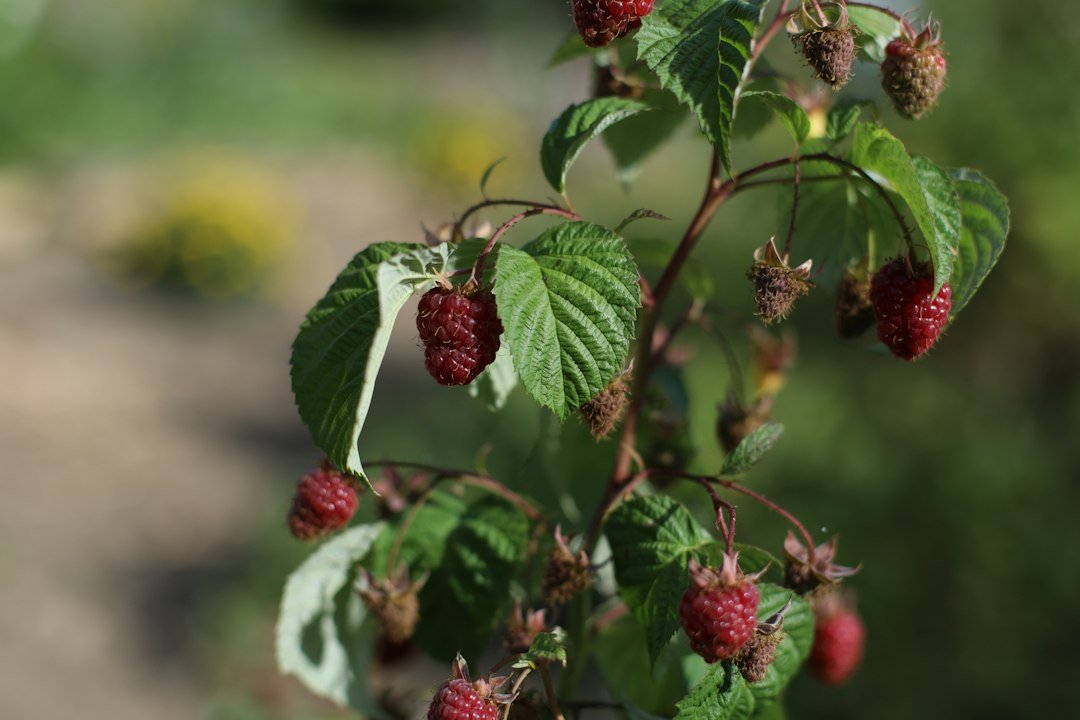
Raspberries can grow in containers when you choose a suitable variety, give the roots enough room and keep the compost consistently moist without waterlogging it. A large pot on a sunny patio or balcony can support a productive plant, although container-grown raspberries need more regular watering and feeding than plants in the ground.
Can You Grow Raspberries in Pots?
Yes. Compact or patio-friendly raspberry varieties are especially useful for containers, but many summer- and fall-fruiting types can be grown in a large pot with support. Check the mature height and growth habit on the plant label before buying. A container limits root space, so choose a vigorous, healthy plant from a reputable nursery.
Choose the Right Container
Use a sturdy container with drainage holes and a capacity of at least 15 to 20 gallons for a long-term plant where space allows. A pot around 18 to 24 inches wide and deep is a practical starting point. Larger containers hold moisture more evenly and give roots more room. Do not place gravel at the bottom; use a free-draining potting mix throughout the container.
Best Soil and Location for Container Raspberries
Fill the pot with a high-quality, peat-free or standard container potting mix that drains well while retaining some moisture. Raspberries generally prefer slightly acidic soil. Place the container where the plant receives around six or more hours of sunlight, with good airflow. In very hot climates, some afternoon shade can help reduce heat stress.
How to Plant a Raspberry in a Container
- Check that the container has unobstructed drainage holes.
- Add moistened potting mix, leaving enough room for the root ball.
- Set the plant at the same depth it was growing in its nursery pot.
- Backfill gently and water thoroughly until excess water drains away.
- Add a slim trellis or support if the variety has long canes.
Watering and Feeding
Container compost dries faster than garden soil. Check moisture regularly, especially in warm or windy weather, and water when the top inch of mix begins to feel dry. Water deeply, then let excess drain away. Avoid leaving the pot standing in a saucer of water. Feed during active growth with a balanced fertilizer suitable for fruiting plants, following the product label; avoid excessive nitrogen, which can encourage leafy growth at the expense of fruit.
Pruning and Supporting Potted Raspberry Canes
Pruning depends on whether your raspberry is summer-bearing or fall-bearing. Summer-bearing varieties generally fruit on canes that grew the previous year: after harvest, remove those spent floricanes at soil level and retain healthy new canes for the next crop. Fall-bearing varieties can be managed by cutting all canes down in late winter for one fall crop, or by using a two-crop system where suitable. Follow the variety’s instructions and avoid cutting all canes without knowing its fruiting type.
Use a small trellis, ring support or a few canes tied loosely to stakes to keep growth upright. Remove dead, damaged or overcrowded growth with clean, sharp pruners.
Winter Care for Raspberry Containers
Container roots are more exposed to cold than roots in the ground. In cold regions, move the pot to a sheltered, unheated location such as a protected garage after the plant becomes dormant, or insulate the container outdoors where appropriate. Keep the compost from drying out completely during dormancy, but do not keep it saturated. Check the hardiness guidance for your specific variety and local climate.
Common Problems and How to Prevent Them
- Drying out: Check containers frequently during warm weather and mulch the surface lightly.
- Waterlogged roots: Use drainage holes and an airy potting mix.
- Weak or crowded canes: Prune according to the fruiting type and provide support.
- Little fruit: Check sunlight, watering, plant maturity and whether the variety suits your climate.
- Pests and disease: Keep airflow open, remove diseased leaves and inspect canes regularly.
Frequently Asked Questions
How many raspberry plants can I grow in one pot?
For most large containers, start with one raspberry plant. Crowding several plants into one pot can increase competition for water, nutrients and root space.
Will a potted raspberry produce fruit?
Yes, if the variety is suited to your climate and receives adequate light, water, nutrients and pruning. Yield varies with plant age, container size and growing conditions.
Do raspberries need a second plant for pollination?
Most common garden raspberries are self-fertile, so one plant can produce fruit. Pollinators such as bees can still improve fruit set.
When should I repot a raspberry plant?
Repot when the plant becomes root-bound, growth declines despite good care, or the potting mix breaks down. Dormant season is often a convenient time, provided the ground is workable and conditions are not extreme.
More Raspberry Growing Advice
See our complete raspberry guide and learn how to keep raspberries fresh longer after harvesting. For general home-gardening advice, consult the University of Minnesota Extension raspberry growing guide.
Growing conditions vary by climate and cultivar. Check local extension guidance for variety recommendations in your region.
Image credit: Marine Le Gac / Unsplash.
2 thoughts on “How to Grow Raspberries in Containers: Pots, Care and Pruning”