
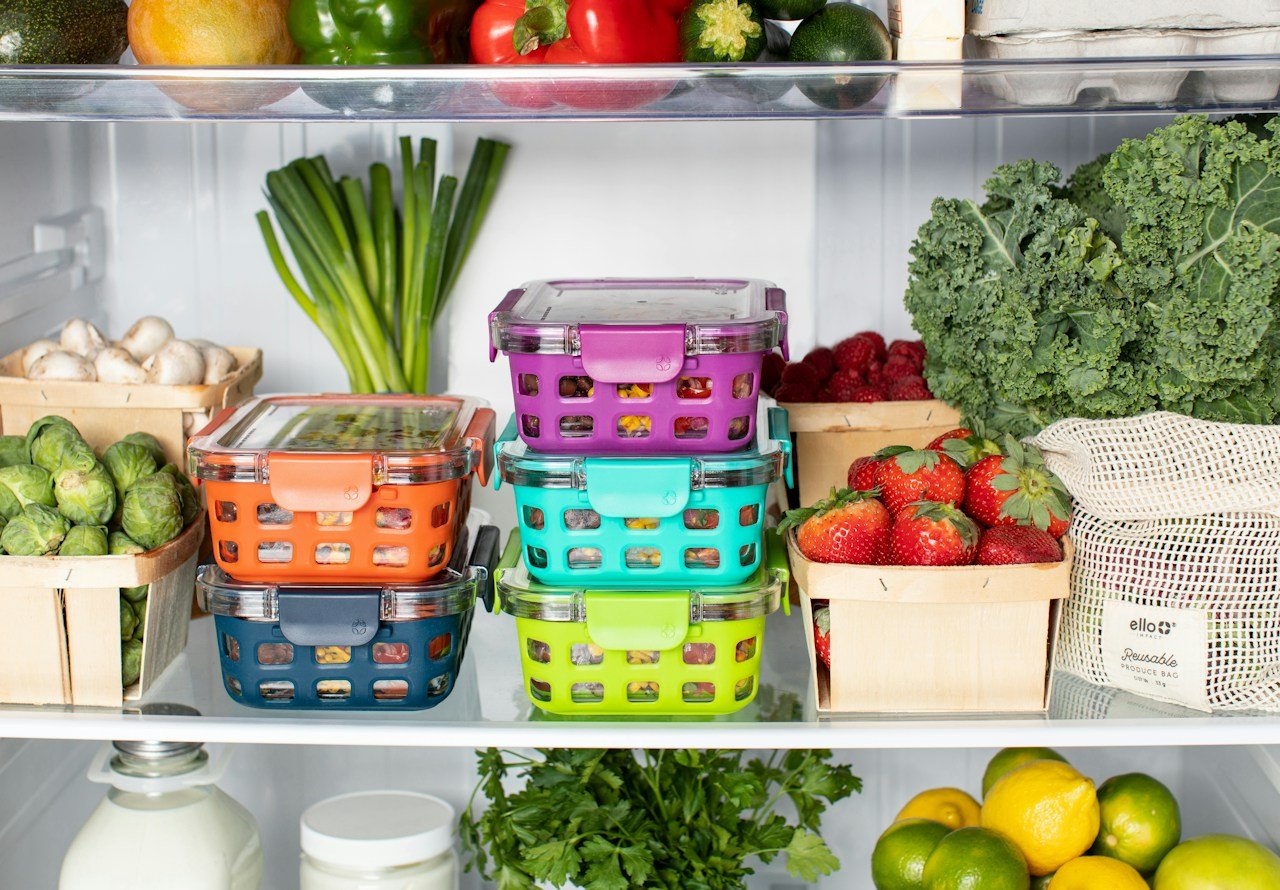
Fresh berries are delicate, and a little extra moisture can shorten their shelf life. The best way to store berries in the fridge depends on the type, how ripe they are, and how they were handled before you brought them home. These simple habits can help reduce waste without promising an exact number of days for every batch.
Start by sorting the berries
Open the container and remove any fruit that is moldy, leaking, or badly crushed. Check the bottom of the package, where damaged berries can be easy to miss. If mold is widespread or the fruit smells off, discard the affected contents rather than trying to salvage them.
Should you wash berries before refrigerating?
For most berries, it is best to wait until just before eating. Water left on the surface can encourage spoilage. If you prefer to wash them when you get home, rinse gently under running water, drain well, and dry thoroughly before storage. Never use soap or detergent on produce.
How to store strawberries
Keep strawberries unwashed and refrigerated in a container that allows some airflow. Remove damaged fruit and avoid packing the berries tightly. If the original package has ventilation and the berries are dry, it may be suitable for short-term storage. Read our detailed guide to storing strawberries in the fridge.
How to store blueberries
Refrigerate blueberries in a dry container and remove any soft or moldy berries. Their natural bloom is a powdery coating on the skin; avoid rubbing it off unnecessarily. Wash only the portion you plan to eat.
How to store raspberries and blackberries
These berries are especially delicate. Keep them dry, avoid stacking them deeply, and use a shallow container if the original package is crowded. Inspect them daily and use the most fragile berries first.
What about cranberries?
Fresh cranberries are generally firmer than raspberries or blackberries. Keep them refrigerated according to the package directions, sort out damaged fruit, and freeze any extra you cannot use soon.
Choose the right place in the fridge
Use a consistently cold refrigerator and avoid leaving berries on the counter for extended periods. Keep them away from raw meat, seafood, and anything that could leak onto ready-to-eat foods. Avoid sealing damp berries in an airtight container, and do not overcrowd the refrigerator so cold air can circulate.
Signs berries should be discarded
- Visible fuzzy mold.
- Strong fermented or unpleasant odor.
- Excessive leaking, sliminess, or widespread breakdown.
- Multiple berries spoiled together in the same package.
Do not taste berries to determine whether they are safe. When in doubt, throw them out.
Can you freeze berries before they spoil?
Yes. Sort the fruit, rinse if needed, dry thoroughly, then spread berries on a tray to freeze separately. Transfer firm frozen berries to a labeled freezer-safe bag or container. See our complete guide to freezing fresh berries without clumping.
Plan what to use first
Use the most delicate fruit first and save firmer berries for later in the week. Add berries to breakfast bowls, smoothies, or baked recipes before they become overripe. Our fresh berry storage overview and fall berry season guide can help you shop and plan portions.
For safe produce handling, follow the FDA’s fruit and vegetable cleaning advice. Refrigeration slows spoilage but does not make damaged or moldy fruit safe.
Frequently asked questions
Should berries be stored in an airtight container?
Only if they are fully dry and the container is appropriate for produce; some airflow can help prevent moisture buildup. Avoid sealing wet berries.
Can I store different berries together?
You can, but delicate berries may be crushed by firmer fruit and spoilage can spread. Separate containers make it easier to inspect each type and use the most fragile first.