
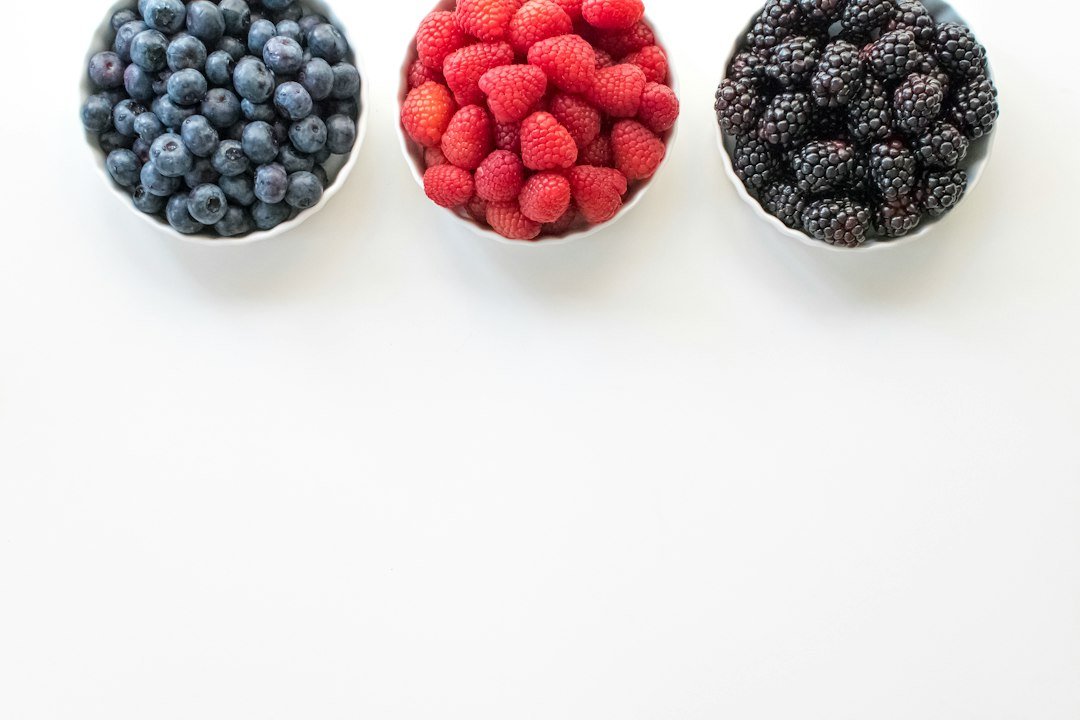
Frozen berries are convenient, available year-round, and easy to add to smoothies, oatmeal, yogurt, and baked goods. But are frozen berries as healthy as fresh ones? In many cases, yes: freezing soon after harvest can help preserve nutrients, and frozen fruit can be a practical way to enjoy berries when fresh options are expensive or out of season. The best choice depends on how you plan to use them, their ingredients, and how they have been stored.
Are Frozen Berries as Healthy as Fresh Berries?
Both fresh and frozen berries can provide fiber, vitamin C, and naturally occurring plant compounds such as anthocyanins. Nutrient levels vary by berry type, ripeness, processing, and storage time. Fresh berries may lose some sensitive nutrients during storage, while frozen berries are often processed soon after harvest. Neither form is automatically healthier in every situation.
What Freezing Does to Berries
Freezing slows the activity of microorganisms and enzymes that contribute to spoilage, but it does not sterilize fruit. Ice crystals can soften berry texture when thawed, so frozen berries may be less firm than fresh ones. This texture change usually matters more for presentation than for smoothies, sauces, oatmeal, and baking.
Fresh vs. Frozen Berries: Which Should You Choose?
- For eating by themselves: Choose fresh berries when you want a firm texture and they are in good condition.
- For smoothies: Frozen berries are convenient and help create a thick, chilled drink without adding ice.
- For baking and sauces: Frozen berries work well; they may release more juice, so adjust recipes if needed.
- For budget and convenience: Frozen bags let you use a small portion at a time and reduce the pressure to eat the whole package quickly.
- For seasonal flavor: Compare ripe, locally available fresh berries with frozen options and choose the one that tastes best and fits your budget.
How to Choose Frozen Berries at the Store
Look for packages that remain solidly frozen, with no signs of leaking or major thawing and refreezing. Check the ingredient list: plain frozen berries generally need no added sugar. Some products are sweetened or packed in syrup, which changes their nutritional profile. Avoid packages with excessive clumps of ice if they suggest poor handling, though a little frost can occur during normal storage.
How to Store Frozen Berries Properly
Keep berries in a freezer set at 0°F (-18°C) or below. Close the package tightly after taking out a portion, or transfer the fruit to a freezer-safe airtight container. For the best texture and flavor, follow package guidance and use them within the recommended quality period. Do not leave berries sitting at room temperature for long periods.
If you prefer freezing berries yourself, follow our guide on how to freeze fresh berries without clumping. For fresh fruit you plan to eat soon, see how to choose and store fresh strawberries.
Should You Thaw Frozen Berries Before Eating?
It depends on the use. Add frozen berries directly to smoothies and many baked recipes. For yogurt toppings or fruit salads, thaw them in the refrigerator and expect a softer texture and some juice. Thaw only the amount you need, and keep thawed fruit refrigerated.
Food Safety Tips
Frozen berries are not necessarily ready-to-eat in every situation. Follow the package directions, especially for products that advise heating before consumption. Wash hands and clean utensils and surfaces after handling fruit, and refrigerate leftovers promptly. For general produce-handling guidance, review the FDA’s tips for cleaning fruits and vegetables.
Easy Ways to Use Frozen Berries
- Blend them with yogurt, milk, or a dairy-free alternative for a smoothie.
- Stir them into oatmeal while it cooks.
- Simmer them into a quick fruit sauce for pancakes or plain yogurt.
- Add them to muffins, quick breads, or crisp toppings.
- Mix a small portion into chia pudding or overnight oats.
For a simple topping, try our easy mixed berry sauce recipe, which can be adapted for fresh or frozen fruit.
The Bottom Line
Frozen berries can be just as useful and nutritious as fresh berries for many everyday meals. Choose unsweetened fruit when possible, keep it consistently frozen, and use fresh berries when their firm texture is important. The healthiest option is often the one you enjoy regularly and can store safely.