
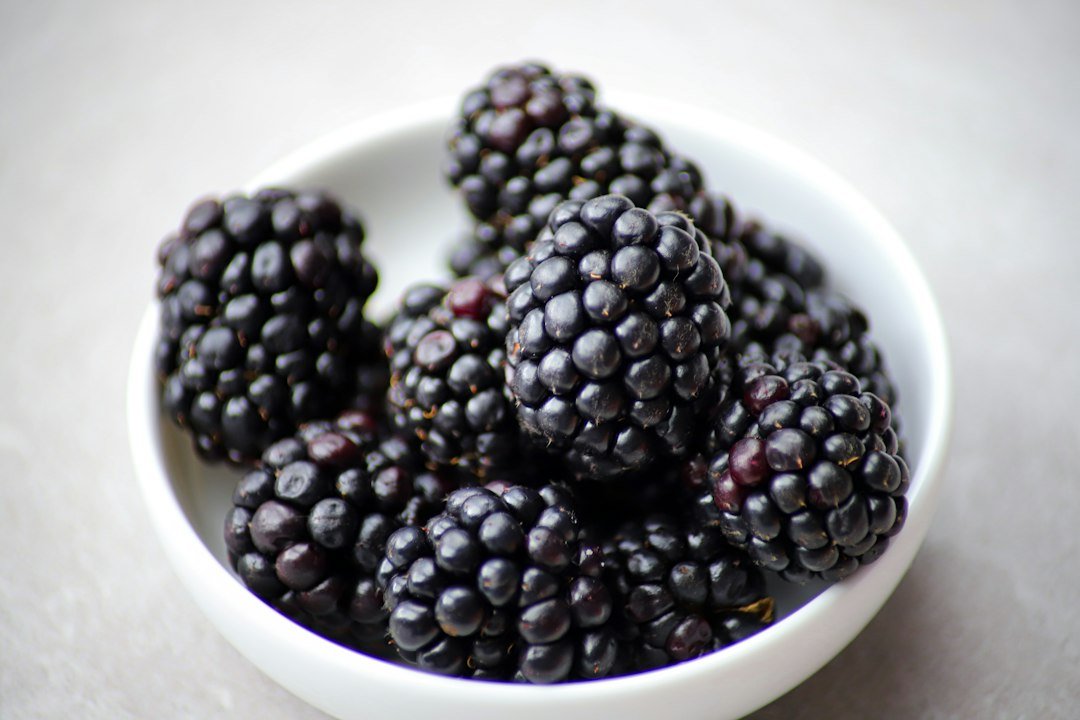
Ripe blackberries are usually deep in color, plump, and easy to remove from the plant with a gentle touch. Picking at the right stage matters because blackberries do not become sweeter after harvest in the same way some fruits can. Whether you are harvesting from a home garden or choosing a carton at the market, a few simple checks can help.
What Does a Ripe Blackberry Look Like?
Look for berries that are uniformly deep purple-black rather than red or partly red. A ripe berry generally looks plump, with individual drupelets filled out rather than shriveled. A little natural shine can be normal, but color alone is not a guarantee—check firmness and condition as well.
Use a Gentle Touch Test
A ripe blackberry should feel tender but not mushy. If you are picking from a plant, it should detach with very little effort. Avoid pulling hard, because resistance can mean the fruit needs more time. Handle ripe berries carefully; pressing or squeezing can bruise them.
When Is the Best Time to Pick?
Harvest when berries are dry, if possible, because wet fruit is more vulnerable to damage and may spoil sooner. In a home garden, check plants regularly during the fruiting season, as berries on the same cane may ripen at different times. Follow local growing guidance because timing varies by climate and variety.
How to Choose Blackberries at the Store
- Choose containers with mostly plump, dark berries.
- Check the bottom of the package for juice, crushed fruit, or signs of mold.
- Avoid cartons with many shriveled berries or damp, sticky patches.
- Look for loose fruit rather than tightly compressed or leaking packs.
What If Some Berries Are Red?
Red or reddish-purple blackberries are generally not fully ripe and may taste tart. Leave berries on the plant a little longer when possible. If you already bought unripe berries, do not expect them to develop the same sweetness as fruit that ripened on the plant; use them in a recipe where a tart flavor is welcome.
How to Handle Blackberries After Picking
Move berries gently into a shallow container instead of packing them deeply. Sort out damaged fruit and refrigerate the rest promptly. Rinse just before eating or using them, unless your recipe requires otherwise, because extra moisture can shorten storage life. For broader advice, see our guide on storing berries in the refrigerator.
If you have more fruit than you can use soon, freezing is a practical option. Spread dry berries in a single layer on a tray, freeze until firm, and then transfer them to a freezer-safe bag or container. Our guide explains how to freeze fresh berries without clumping. You can also learn about berries that may be in season during fall in the United States.
Common Blackberry Picking Mistakes
- Choosing by size alone: large berries are not always the sweetest.
- Pulling firmly: ripe fruit should come away easily.
- Harvesting when wet: moisture can increase spoilage risk.
- Leaving damaged fruit mixed in: sort berries and remove spoiled ones promptly.
Frequently Asked Questions
Will blackberries ripen after picking?
They may soften, but they generally do not gain the same sweetness as blackberries that fully ripened on the plant. Choose deeply colored fruit when possible.
Can ripe blackberries be completely black?
Deep purple-black is a common sign of ripeness, but also check that the fruit is plump, not moldy, and detaches easily when harvesting.
Should I wash blackberries before refrigerating?
It is often best to rinse shortly before eating or using them, then handle gently. If you wash them earlier, dry them thoroughly and keep them refrigerated.
Bottom Line
Look for deep color, plump drupelets, and a gentle release from the plant. Handle blackberries carefully, keep them cool after picking, and freeze extras promptly to reduce waste.