
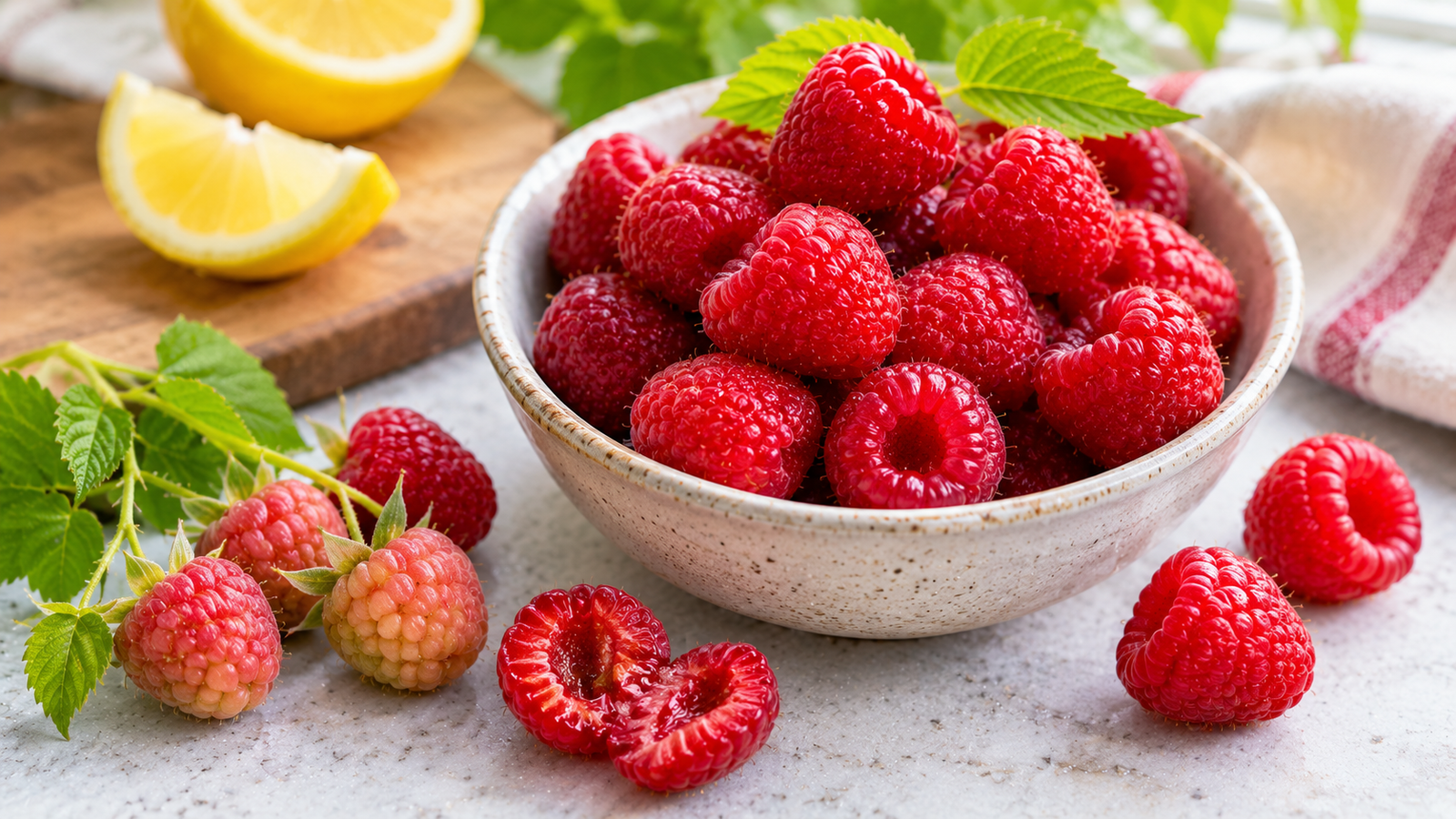
Raspberries can taste surprisingly sour when you expect a sweet, juicy bite. In most cases, the reason is simple: the berries were picked before they were fully ripe. Variety, growing weather and how the fruit was handled can also affect flavor. The good news is that you can often tell whether raspberries are ready to eat by checking their color, texture and how easily they come off the plant.
Quick Answer: Why Are Raspberries So Sour?
Raspberries are often sour because they are underripe, naturally tart by variety, or have developed less sweetness under particular growing conditions. As raspberries ripen, their flavor generally becomes sweeter and more aromatic. Unlike some fruits, raspberries do not become meaningfully sweeter after they are picked, so choosing ripe berries matters.
7 Reasons Your Raspberries Taste Sour
1. They were picked too early
Underripe raspberries can be firm, pale or unevenly colored and noticeably tart. A ripe raspberry is usually fully colored for its variety, fragrant and comes away from the plant with a gentle pull. If berries resist picking, they may need more time.
2. The variety is naturally tart
Not all raspberries taste equally sweet. Some cultivars have a bright, tangy flavor, while others are known for a sweeter, milder taste. Red, golden, purple and black raspberries can also differ in their balance of sweetness, acidity and aroma. A tart berry is not automatically a bad berry.
3. Growing conditions affected flavor
Weather, sunlight, water availability, soil conditions and the stage of ripeness at harvest can influence berry quality. Cool or cloudy periods may slow ripening, while plant stress can affect fruit development. These factors do not produce the same result in every garden, so taste can vary from one harvest to another.
4. The berries were harvested before peak ripeness
Commercial berries may be picked when they are firm enough to handle transport and retail display. A berry harvested for shipping may not have the same fully developed flavor as one picked ripe and eaten soon after harvest. Look for fruit that is evenly colored and aromatic rather than relying on size alone.
5. The berries are not fresh anymore
Raspberries are delicate and highly perishable. As they age, they can lose their fresh aroma and develop soft, leaking or fermented notes. Sourness alone does not prove spoilage, but discard berries that are moldy, slimy, leaking extensively or smell unpleasant.
6. They were stored poorly
Warm temperatures, excess moisture and crushed fruit can shorten the useful life of raspberries. Keep them refrigerated, avoid washing until you are ready to eat them, and remove damaged berries. For more detail, read our guide on how to keep raspberries fresh longer.
7. You are tasting their natural acidity
Raspberries contain naturally occurring organic acids as well as sugars and aromatic compounds. Their tartness is part of their characteristic flavor. If you usually eat very sweet fruit, even ripe raspberries may taste sharper than expected.
How to Tell If Raspberries Are Ripe
Use several signs together rather than judging by color alone. Raspberry varieties do not all ripen to the same shade.
- Color: The berry should have its characteristic full color, without large pale or green areas.
- Texture: Ripe fruit is plump and tender, not hard or shriveled.
- Ease of picking: A ripe raspberry usually separates from the receptacle with a gentle touch.
- Aroma: Ripe berries often have a noticeable fruity fragrance.
- Taste: A sample berry from the same patch can help you judge whether the crop is ready.
Do not squeeze raspberries to test ripeness. They bruise easily, and damaged fruit spoils more quickly.
Can Sour Raspberries Become Sweeter After Picking?
Generally, no. Raspberries are non-climacteric fruit, which means they do not continue ripening and building sweetness in the same way as bananas or peaches after harvest. Leaving underripe raspberries on the counter is unlikely to turn them into sweet, fully ripe fruit. Refrigeration helps preserve quality, but it does not improve the sweetness of fruit picked too early.
What to Do With Raspberries That Are Too Tart
If the berries are fresh and show no signs of spoilage, you do not need to throw them away just because they taste sharp. Pairing them with other ingredients can balance their acidity.
- Add a little sweetener: Sprinkle with a small amount of sugar, honey or maple syrup and let the berries stand briefly.
- Serve with creamy foods: Combine raspberries with plain yogurt, oatmeal, ricotta or a mild dessert.
- Cook into a sauce: Simmer with a little sweetener and taste as you go. Cooking softens the fruit and makes a useful topping.
- Blend into smoothies: Mix with banana, mango or another naturally sweet fruit.
- Use in baking: Add them to muffins, pancakes or quick breads, where the tart flavor can balance a sweet batter.
- Make a mixed berry topping: Combine raspberries with sweeter strawberries or blueberries.
For more serving ideas, see how many raspberries to eat in a day and explore our other mixed berry compote ideas.
How to Choose Sweeter Raspberries at the Store or Farmers Market
- Look for berries with even, full color for their variety.
- Choose fruit that looks plump and dry, with no visible mold or leaking juice.
- Check the bottom of the container for crushed or wet berries.
- Choose berries with a fresh, fruity aroma when you can smell them.
- Buy only the amount you can refrigerate and use promptly.
- At a farmers market, ask which varieties are being sold and whether they are sweet or more tangy.
How to Store Raspberries to Preserve Their Flavor
Refrigerate raspberries as soon as practical after purchase or harvest. Keep them in a shallow container that allows airflow, remove crushed or moldy fruit, and avoid stacking or pressing them. Do not rinse the entire batch before storage; wash gently under cool running water just before eating or preparing the berries, then drain carefully.
If you have more ripe raspberries than you can use, freeze them in a single layer on a tray until firm and transfer them to a freezer-safe bag or container. Our step-by-step guide explains how to freeze raspberries without crushing them.
Frequently Asked Questions
Are raspberries supposed to be sour?
Raspberries naturally have a sweet-tart flavor. Some varieties are sweeter than others, and even ripe berries can have noticeable acidity. Strong sharpness may also mean the fruit was picked before full ripeness.
Does a darker raspberry taste sweeter?
Not always. Color depends on the raspberry variety, and a dark shade by itself does not guarantee sweetness. Look for the variety’s normal mature color, a plump texture and easy separation from the plant.
Will sugar make sour raspberries taste sweeter?
Yes. A little sugar or another sweetener can balance tartness, especially when the berries are served fresh or cooked into a sauce. Add it gradually so the fruit flavor remains noticeable.
Can I eat sour raspberries?
Yes, if they are fresh and show no signs of spoilage. Tartness is a flavor characteristic, not by itself a safety warning. Do not eat berries that are moldy, slimy or smell fermented or rotten.
Why are my homegrown raspberries sour?
Possible reasons include harvesting too early, growing a naturally tart cultivar, limited sunlight, variable weather or plant stress. Check ripeness before picking and compare the flavor of fully ripe berries from different canes or harvests.
Do raspberries get sweeter in the fridge?
No. Refrigeration slows deterioration and helps preserve the fruit, but it does not make underripe raspberries sweeter. Store them cold and enjoy them while they are fresh.
Enjoy Raspberries at Their Best
If your raspberries taste too sour, first check whether they were fully ripe when picked. Variety and growing conditions also influence their natural sweet-tart balance. Choose plump, properly colored fruit, refrigerate it promptly and use tart but fresh berries in smoothies, sauces and baking. With the right picking and storage habits, you can get more flavor from every harvest.
Food note: Tart flavor alone does not indicate spoilage. Discard raspberries with mold, slime, extensive leakage or an unpleasant fermented odor.