
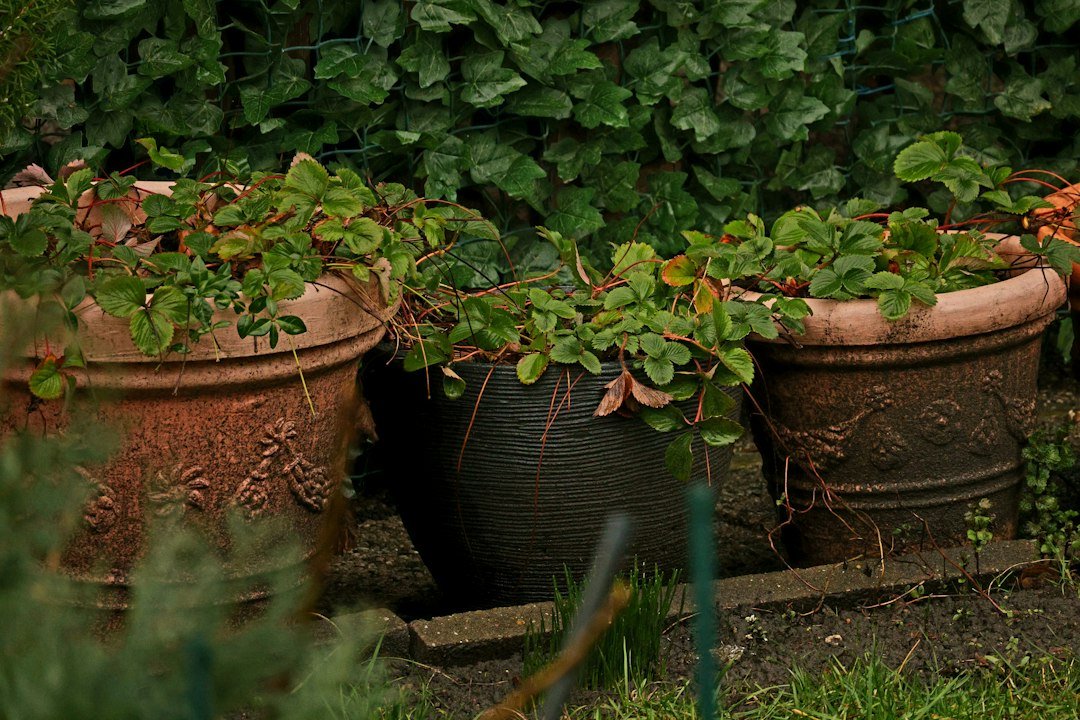
Strawberries are one of the most rewarding fruits to grow at home, but planting at the right time makes a big difference. In much of the United States, gardeners plant strawberries in early spring as soon as the soil can be worked. In warmer regions, fall planting is often a useful option because plants can establish roots before the next hot season.
The best planting window depends on your local climate, the type of strawberry plant you buy, and whether you are planting in a garden bed or a container. Use this regional guide as a starting point, then adjust for your area’s last frost, soil conditions, and advice from your local Cooperative Extension office.
Quick Answer: When Should You Plant Strawberries?
- Cold and northern regions: Plant in spring after the soil is workable and severe freezes have passed.
- Mid-Atlantic and much of the Midwest: Early spring is the usual choice for home gardens.
- Warm southern regions: Fall planting is often preferred, giving plants time to establish during cooler weather.
- Pacific Coast and mild climates: Planting windows are more flexible; fall or early spring can work depending on local conditions.
- Containers: Plant nursery-grown strawberries after the risk of hard frost has passed, and protect pots from temperature extremes.
There is no single calendar date that works for every state. Soil that is workable, moderate temperatures, and healthy transplants are more useful signals than the month alone.
Strawberry Planting Time by U.S. Region
| Region | Typical planting window | What to consider |
|---|---|---|
| Northeast and New England | Early to mid-spring | Wait until the ground can be prepared and avoid planting into frozen or waterlogged soil. |
| Midwest and Great Lakes | Early spring | Give plants time to establish before summer heat; choose varieties suited to local winter conditions. |
| Mid-Atlantic | Early spring | Plant once soil is workable; provide good airflow and drainage as humidity increases. |
| Southeast | Fall is often preferred | Cooler fall weather can support root establishment before spring fruiting; local recommendations vary. |
| South Central states | Fall in warmer areas; spring farther north | Use local frost dates and regional variety recommendations to fine-tune timing. |
| Mountain and high-elevation areas | Spring, after soil becomes workable | Late frosts and short growing seasons make cold-hardy varieties and frost protection important. |
| Pacific Northwest | Early spring or fall, depending on location | Prioritize drainage and choose varieties recommended for your local rainfall and temperature pattern. |
| California and other mild coastal areas | Fall through early spring, depending on climate | Planting calendars differ substantially between coastal, inland, and warmer southern areas. |
These are broad planning windows, not state-specific guarantees. For example, a high-elevation garden may have a much later safe planting date than a nearby valley. Check a local extension planting calendar before ordering plants.
Spring vs. Fall Planting: Which Is Better?
Spring planting
Spring planting is the standard approach in many cold-winter regions. It gives young plants a full growing season to develop roots, leaves, and runners before winter. Bare-root dormant plants are commonly planted as soon as the soil is workable, while actively growing potted plants should be moved outdoors after hard-frost risk has eased.
In the first season, some gardeners remove early flowers for a short period so plants can put energy into establishment. The right approach depends on the cultivar and local growing system, so follow the nursery or extension guidance for your variety.
Fall planting
In warmer climates, fall planting can help strawberries establish during milder weather. Roots can develop before spring growth, and plants may be ready to flower and fruit earlier than spring-planted plants. The timing needs to leave enough weeks for establishment before cold weather or the hottest part of the season.
Do not assume fall planting is suitable everywhere. In regions with severe winters, young plants may need protection, and spring planting is often more reliable for home gardeners.
Choose the Right Strawberry Type
Strawberries are commonly grouped by how they produce fruit. Choosing the type first helps you plan both planting and harvest expectations.
- June-bearing: Produces one concentrated crop, usually over a few weeks. These plants often send out runners and are suited to traditional garden rows.
- Everbearing: Commonly produces two main crops, one in early summer and another later in the season, though performance varies by cultivar and climate.
- Day-neutral: Can flower and fruit repeatedly through much of the growing season when temperatures are suitable. They are useful for a longer, smaller harvest rather than one large flush.
Look for varieties recommended for your USDA hardiness zone and local disease pressures. A variety that performs well in a cool northern garden may not be the best choice for a hot, humid southern location.
How to Prepare a Strawberry Bed Before Planting
- Choose a sunny location. Strawberries need at least six hours of direct sun; more sun generally supports better flowering and fruit production.
- Check drainage. Avoid low spots where water stands after rain. Raised beds can help where soil drains poorly.
- Test the soil. A soil test can identify pH and nutrient needs before you add amendments. Avoid guessing with fertilizer.
- Work in organic matter. Incorporate mature compost where appropriate to improve soil structure and support healthy growth.
- Plan spacing. Follow the variety’s instructions. Many home-garden recommendations place plants roughly 12–18 inches apart, with wider spacing between rows for runner-producing types.
How to Plant Strawberry Transplants Correctly
Correct planting depth is essential. Each strawberry plant has a central crown where the leaves emerge and the roots begin. Set the plant so the middle of the crown sits at the soil surface: roots should be covered, while the crown and growing point remain exposed.
- For bare-root plants, spread the roots downward and outward rather than bending them into a tight J shape.
- For potted plants, set the root ball at approximately the same depth it grew in the nursery container.
- Firm the soil gently around the roots, then water thoroughly to settle the soil.
- Keep the bed evenly moist while new roots establish, but do not leave plants sitting in saturated soil.
Planting too deeply can bury the crown and encourage rot. Planting too shallowly can expose roots and allow them to dry out.
Growing Strawberries in Pots or Small Spaces
You do not need a large garden to grow strawberries. Containers, hanging baskets, and compact planters can work well when they provide drainage, enough root space, and regular watering. Choose a pot with drainage holes and use a quality potting mix rather than dense garden soil.
For detailed container setup, spacing, sunlight, and care instructions, read our guide to growing strawberries in containers. You can also explore our strawberry guide for background on varieties and the fruit’s growing history.
Common Planting Mistakes to Avoid
- Planting by the calendar alone: Local soil and weather conditions matter more than a fixed date.
- Burying the crown: Keep the crown level with the soil surface.
- Choosing a poorly drained site: Waterlogged roots are vulnerable to decline and disease.
- Using a variety unsuited to your climate: Check local recommendations before buying plants.
- Letting plants dry out after planting: Shallow strawberry roots need consistent moisture, especially while establishing.
- Overcrowding the bed: Follow recommended spacing to maintain airflow and make harvesting easier.
Frequently Asked Questions
Can I plant strawberries in the fall?
Yes, fall planting can work well in many mild-winter regions because plants have time to establish roots during cooler weather. In colder areas, spring planting is often safer unless you can provide suitable winter protection.
Can strawberries be planted in summer?
Summer planting is more stressful because heat can dry out new roots and leaves. If you must plant during warm weather, use healthy potted plants, provide temporary afternoon shade if needed, and keep the root zone consistently moist without waterlogging it.
How long after planting will strawberries produce fruit?
It depends on the type, planting date, and growing conditions. June-bearing plants are often managed to build strong crowns and runners in their first season, with a fuller crop the following year. Day-neutral and everbearing plants may produce some fruit in the planting year, depending on cultivar and care.
Should I plant strawberries before or after the last frost?
In spring, plant when the soil is workable and conditions are suitable for the type of transplant you have. Newly opened flowers can be damaged by frost, so keep an eye on local forecasts and use row covers or other recommended protection when needed.
Do strawberries come back every year?
Many garden strawberries are grown as short-lived perennials. With suitable varieties, healthy soil, and winter protection where needed, plants can produce for multiple seasons, although beds are often renovated or replanted periodically to maintain productivity.
Final Takeaway
For many U.S. gardeners, early spring is the safest general planting window; in warmer regions, fall planting may offer a better start. Match the planting date to your local climate, select a variety recommended for your area, and pay close attention to crown depth, drainage, sunlight, and consistent moisture. A little preparation before planting gives strawberry plants a stronger start and a better chance of producing a healthy harvest.
Further Reading
- University of Minnesota Extension: Growing strawberries in the home garden
- Oregon State University Extension: Growing strawberries in your home garden
Editorial note: Planting dates vary by microclimate, cultivar, and transplant type. Use this article as a general guide and consult your local Cooperative Extension service for recommendations specific to your county or region.