
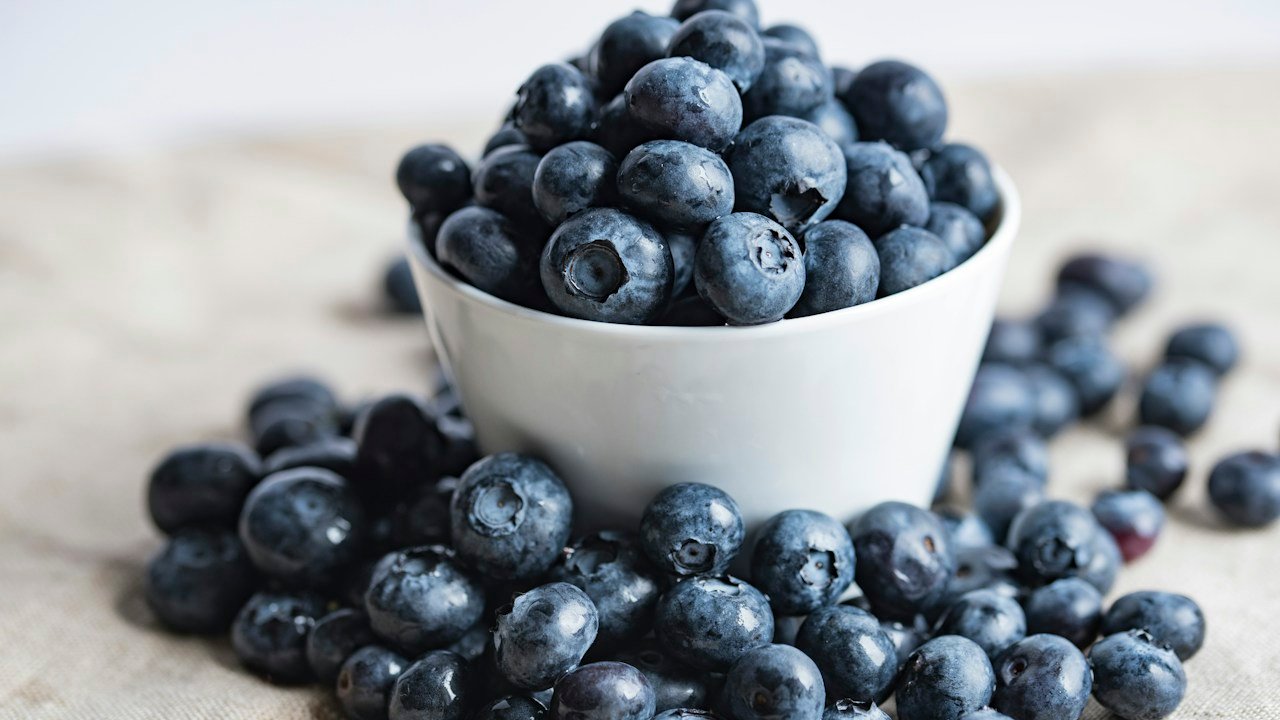
Gooseberries are small fruits with a distinctive tart-to-sweet flavour. Depending on the variety and ripeness, they can be green, yellow, red or deep purple. You may find them fresh at a farmers market, growing in a home garden or preserved in jams, sauces and desserts.
This guide covers what gooseberries taste like, how to choose and store them, the basic nutrition they provide and practical ways to use them. Availability and varieties differ by region, so check local growing and food-safety guidance before foraging or planting.
What Are Gooseberries?
Gooseberries are the fruits of plants in the genus Ribes. Garden gooseberries are commonly associated with Ribes uva-crispa, while some North American species are also called gooseberries. The fruit is usually round or oval and may have smooth or slightly hairy skin. Some varieties have small prickles on the plant’s stems, so harvesting should be done carefully.
Gooseberries are different from ground cherries and cape gooseberries, which belong to a different plant group. If you are buying them, check the label or ask the grower which fruit is being sold.
What Do Gooseberries Taste Like?
Unripe or early-season gooseberries are often sharply tart, with a crisp texture. As they ripen, many varieties become softer, juicier and sweeter while keeping a refreshing acidity. The exact flavour depends on the cultivar, growing conditions and how ripe the fruit is when picked.
That balance of sweetness and acidity makes gooseberries useful in both sweet and savoury cooking. Tart berries pair well with sugar or honey in cooked recipes, while ripe fruit can be eaten fresh if you enjoy its tangy flavour.
Gooseberry Nutrition: What to Know
Gooseberries are fruit and can contribute water, dietary fibre and several micronutrients to a varied diet. They also contain naturally occurring plant compounds, as do many colourful fruits. The exact nutrient content varies with variety, ripeness, growing conditions and serving size.
Rather than treating one berry as a cure or a special health treatment, think of gooseberries as one option among many fruits. Enjoy them as part of an overall eating pattern that includes a variety of vegetables, fruits, whole grains, protein foods and other nutrient-rich choices.
How to Choose Fresh Gooseberries
- Look for firm fruit: Choose berries that feel plump for their variety and are not leaking or badly crushed.
- Check the skin: Avoid fruit with widespread mould, wet decay or deep damage.
- Consider ripeness: Green fruit may be intentionally harvested for cooking, while coloured fruit may be riper and sweeter depending on the variety.
- Check the container: Look underneath for crushed berries or excess moisture.
- Ask about the variety: Colour alone does not tell you the exact sweetness or best use.
How to Store Gooseberries
Keep fresh gooseberries refrigerated and handle them gently. Remove damaged or mouldy fruit, but avoid washing the whole batch until you are ready to use it because excess moisture can encourage spoilage. Store them in a clean container that allows some airflow and follow any storage advice from the grower or retailer.
For longer storage, gooseberries can generally be frozen. Rinse them under clean running water, remove stems and flower ends if desired, dry thoroughly, spread them in a single layer on a tray to freeze, then transfer the frozen fruit to a labelled freezer-safe container or bag. Use frozen berries in cooked dishes, smoothies and baking. Texture may soften after thawing.
If you enjoy preserving fruit, also see our guide on how to store blackberries and our step-by-step article on freezing blueberries.
Easy Ways to Eat Gooseberries
Enjoy ripe berries fresh
Rinse the fruit well under clean running water and remove any stems or dried flower ends. Serve a small bowl on its own or mix ripe berries with other fruit.
Cook a simple gooseberry compote
Simmer cleaned gooseberries with a little water and sweetener until they soften and release their juices. Adjust the sweetness to taste. Cool and spoon over oatmeal, yoghurt or pancakes.
Add them to pies and crumbles
Their tart flavour works well in baked desserts. Combine gooseberries with a suitable amount of sugar and a crumble topping, then bake until the fruit is bubbling and the topping is golden. Follow a tested recipe for quantities and cooking time.
Make a savoury sauce
Cook gooseberries with onion, a little vinegar and seasonings to create a tangy accompaniment for roasted vegetables or other savoury dishes. Keep the recipe refrigerated and follow safe food-handling practices.
Mix into smoothies
Add a few cleaned, ripe gooseberries to a smoothie with banana or another sweet fruit. Start with a small amount because their tartness can be pronounced.
Can You Grow Gooseberries at Home?
Gooseberries are grown in many temperate regions, but the best variety depends on your climate, available space and local disease pressure. Plants generally benefit from suitable soil, good air circulation and a position that avoids excessive heat where that is a concern. Some cultivars have prickly stems, so plan access for pruning and harvesting.
Before planting, check with a local cooperative extension, nursery or gardening service for varieties suited to your area. Local advice is especially useful because some Ribes species and cultivars may be restricted in certain regions due to plant-disease concerns.
Gooseberries vs Other Berries
Gooseberries are often more tart than common dessert berries, although ripe varieties can be pleasantly sweet. Their firm skin and acidic flavour make them particularly useful for sauces, preserves and baked recipes. For another berry comparison, read our guide to salmonberry vs cloudberry, which explains how those two northern fruits differ in appearance, habitat and flavour.
Frequently Asked Questions
Can you eat gooseberries raw?
Yes. Rinse fresh gooseberries under clean running water and remove stems or flower ends if you prefer. Ripe fruit is generally sweeter, while less-ripe fruit can taste very tart.
Are green gooseberries unripe?
Not always. Some varieties remain green when ripe, and green gooseberries are also commonly harvested earlier for cooking. Use the variety description and the fruit’s firmness and flavour as guides.
Do gooseberries need to be refrigerated?
Refrigeration helps keep fresh gooseberries in good condition. Store them dry and wash just before eating or cooking.
Can gooseberries be frozen?
Yes. Clean and dry them, freeze in a single layer, then pack into a labelled freezer-safe container. Their texture may be softer after thawing.
Are gooseberries the same as cape gooseberries?
No. Garden gooseberries belong to the genus Ribes. Cape gooseberries, also called golden berries, are a different fruit from a different plant family.
Final Thoughts
Gooseberries offer a distinctive balance of tartness and sweetness, and they are versatile in fresh dishes, sauces, baking and preserves. Choose fruit that is in good condition, store it chilled and explore varieties from a trusted local grower. If you are comparing berry flavours, our guides to mulberries and berries native to North America are useful next reads.
BerryNationUSA provides general food and gardening information. For plant identification, allergies or individual dietary needs, consult an appropriate local expert or healthcare professional.