
If you are wondering what berries are native to North America, the continent is home to a wide variety of wild fruits. Depending on the region, native berries include blueberries, cranberries, huckleberries, salmonberries, thimbleberries, serviceberries, elderberries, black raspberries and many more. Their habitats range from northern bogs and mountain forests to prairie edges and woodland thickets.
Native does not mean that every berry is safe to eat. Some edible species have poisonous lookalikes, and identification can depend on leaves, stems, flowers and fruit—not color alone. Use this guide to learn about notable native North American berries, where they grow and how people use correctly identified fruit.
What Does “Native to North America” Mean?
A native plant occurs naturally in a region without having been introduced there by people. Native ranges can cross modern national borders and vary by species. Some berries are native to broad parts of the continent, while others naturally occur only in particular regions or habitats.
Common Berries Native to North America
1. Blueberries
Several blueberry species in the genus Vaccinium are native to North America. They grow in habitats that include acidic woodland soils, heathlands, barrens and wetlands. Depending on the species, plants may be low-growing groundcover or taller shrubs. Blueberries are eaten fresh and used in pies, pancakes, preserves and frozen foods.
Learn more in our guide to how to store blueberries and our article about blueberry bush spacing.
2. Cranberries
Large cranberries (Vaccinium macrocarpon) are native to northeastern North America and other parts of the continent. They grow on low vines in acidic, wet habitats such as bogs and wetlands. Their sharp, tart flavor makes them popular in sauces, juices, baked goods and dried fruit products.
3. Black Raspberries
Black raspberries, including Rubus occidentalis, are native to eastern parts of North America. The plants grow on arching canes, often along woodland edges, clearings and old fields. The ripe fruits are dark and typically come away from the plant with a hollow center. They are enjoyed fresh and in jams, desserts and sauces.
4. Salmonberries
Salmonberries (Rubus spectabilis) are native to the Pacific Northwest and parts of western North America. They commonly grow in moist coastal forests, stream banks and forest openings. Their fruit can range from yellow-orange to deep reddish-orange. Read more about what salmonberries taste like.
5. Thimbleberries
Thimbleberries (Rubus parviflorus) are native to western North America and parts of the northern continent. These thornless shrubs produce soft red fruits with a delicate texture. The berries are fragile and are often eaten soon after picking or made into small batches of jam.
6. Huckleberries
Several native North American plants are called huckleberries, including species in the genera Vaccinium and Gaylussacia. They occur in different regions and habitats, from eastern woodlands to western mountain forests. Fruit color and flavor vary by species. Because the common name covers multiple plants, careful identification matters.
7. Serviceberries
Serviceberries, also called juneberries or Saskatoon berries, come from several Amelanchier species native to North America. They grow as shrubs or small trees in woodlands, prairie edges and open landscapes. The ripe purple-blue fruits are used in pies, baked goods, sauces and fresh dishes.
8. Elderberries
Native elderberry species include Sambucus canadensis in eastern North America and other species in western regions. They produce clusters of small berries. Correct identification and preparation are essential: raw or unripe parts of some elderberry plants can cause illness, and leaves, stems and other plant parts should not be treated as food. Follow trusted food-safety guidance and use properly prepared fruit.
9. Mayhaw Berries
Mayhaws are fruits of certain native hawthorn species, especially in the southern United States. The small fruits are traditionally used in jellies and preserves because of their tart flavor. Explore our article on what a mayhaw berry is.
10. Cloudberries
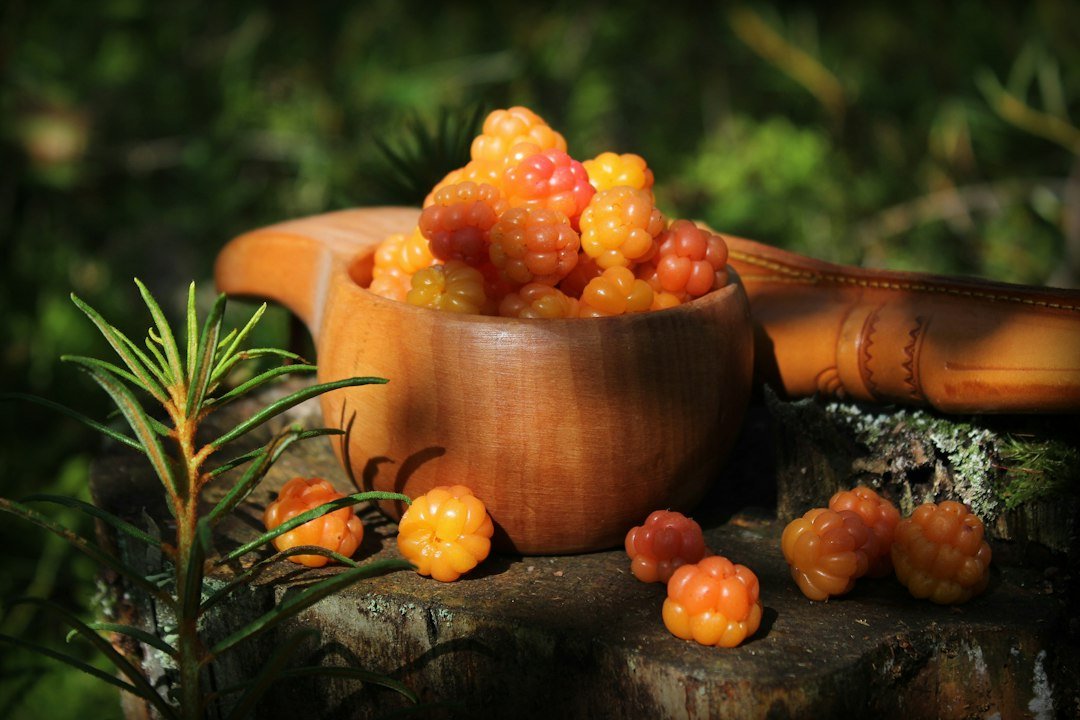
Cloudberries (Rubus chamaemorus) are native to cool northern regions, including parts of North America. They grow in boggy, acidic environments and produce golden-orange fruit. They are especially associated with northern and subarctic landscapes. See our guide to what cloudberries are and where they grow.
Native Berry Quick Comparison
| Berry | Typical native region | Common habitat | Common use |
|---|---|---|---|
| Blueberry | Eastern, northern and other parts of North America, depending on species | Woodlands, barrens and wetlands | Fresh eating, baking and preserves |
| Cranberry | Northeastern and other northern areas | Bogs and acidic wetlands | Sauces and juices |
| Black raspberry | Eastern North America | Edges, clearings and fields | Fresh eating and jam |
| Salmonberry | Pacific Northwest and western coastal areas | Moist forests and stream banks | Fresh eating and desserts |
| Thimbleberry | Western and northern areas | Forest openings and slopes | Fresh eating and jam |
| Huckleberry | Eastern and western regions, depending on species | Woodlands and mountain forests | Fresh eating and baking |
| Serviceberry | Across many parts of North America | Woodlands and prairie edges | Pies and preserves |
| Elderberry | Eastern and western regions, depending on species | Moist ground, woodland edges and open areas | Cooked syrups and preserves |
How to Identify Native Wild Berries Safely
Never identify a wild berry by color or appearance alone. Check the whole plant, including leaf arrangement, stem structure, flowers, growth habit and fruit clusters. Use a reliable regional field guide or consult a qualified local expert. Avoid harvesting near roads, polluted waterways or places that may have been treated with pesticides.
Do not taste an unknown berry to test whether it is edible. Some toxic fruits resemble familiar edible berries. If you are uncertain about a plant, leave it untouched. Also check local rules before collecting plants on public or protected land.
Why Native Berries Matter to Local Ecosystems
Native berry-producing plants can provide seasonal food for birds, mammals and other wildlife. Their flowers may support pollinators, while shrubs and groundcover can contribute to habitat structure and soil stability. Choosing regionally appropriate native plants for a garden can help support local biodiversity, provided the species is suitable for the site.
Frequently Asked Questions
What is the most common native berry in North America?
There is no single answer for the entire continent. Blueberries, cranberries, raspberries and many other native fruits are widespread or locally abundant, but their distribution depends on the species and region.
Are all wild berries native to North America edible?
No. Some are poisonous, and others require specific preparation. Never eat a wild berry unless the plant has been positively identified using reliable regional information.
Are strawberries native to North America?
Wild strawberry species are native to parts of North America. Modern garden strawberries are cultivated hybrids with a more complex breeding history.
Can I grow native berries at home?
Often, yes. Choose species native to your local region and match their needs for sunlight, soil moisture, acidity and space. A local native-plant nursery or extension service can help you select suitable varieties.
Final Thoughts
North America has an impressive range of native berry plants, from coastal salmonberries and western thimbleberries to northern cranberries and serviceberries found across many regions. Learning their habitats and plant features makes it easier to appreciate this diversity. Foraging requires extra care: confirm every plant with trusted local references and never eat a berry you cannot identify with confidence.