
Fall can be a useful time to start a backyard berry patch, but the right plants and planting window depend on your climate. In regions with mild autumns, roots may establish before winter; where the ground freezes early, spring planting is often safer. This guide compares berry plants that can suit fall planting in parts of the United States and explains how to choose a timing that fits your area.
Which berry plants can you plant in fall?
For many home gardens, blueberries, blackberries, raspberries, and currants or gooseberries are worth considering. Fall is not automatically the best season for every berry or every region, so check your state university Extension guidance and the plant label before buying.
- Blueberries: A strong option where soil acidity and drainage can be managed and there is enough time before hard freezes.
- Blackberries: Often a practical choice in mild-winter regions; choose a cultivar suited to your winter temperatures and provide support if needed.
- Raspberries: Suitable varieties can establish in fall in some climates, while spring is often the safer choice in colder areas.
- Currants and gooseberries: Cold-hardy shrubs in many regions, but confirm local disease restrictions and choose varieties recommended for your state.
1. Blueberries: best when your soil is acidic
Blueberries reward careful site preparation. They generally need acidic soil, commonly around pH 4.5–5.5, consistent moisture, and good drainage. A soil test is the best starting point because ordinary garden soil may be too alkaline. Amend the whole planting area according to your Extension soil-test recommendations rather than adding a random amount of acidifier to one planting hole.
Fall planting can work in milder areas if the bush has time to establish before the soil freezes. In colder regions, spring planting is usually the more conservative option. Select northern highbush, southern highbush, or rabbiteye types according to your climate; these are not interchangeable across all regions. Some cultivars also produce better crops with a compatible second variety nearby.
For planning quantities and spacing, see our guide on how many blueberry bushes to plant.
2. Blackberries: choose a winter-hardy cultivar
Blackberries can be productive in home gardens, especially where winters are not severe. Before planting, check whether your area is better suited to erect, semi-erect, or trailing types and whether the cultivar needs a trellis. Cold hardiness varies, so do not assume a variety sold nationally will thrive in your location.
Choose a sunny site with well-drained soil and enough room for canes. Set container-grown plants at the same depth they were growing in the pot, water thoroughly, and apply a light organic mulch while keeping it away from the crown. Avoid working saturated soil, and postpone planting if a hard freeze is imminent.
3. Raspberries: plan for canes and local timing
Raspberries grow on canes, and the best planting date depends on the cultivar, local winters, and whether you are buying dormant bare-root plants or container-grown plants. In colder parts of the country, early spring is commonly recommended. In milder areas, fall planting may be possible when the soil remains workable and roots have time to settle before severe cold.
Give raspberry rows full sun, good drainage, and room for airflow. Ask your local Extension office which types perform well in your state and whether a trellis is recommended. Do not plant into a spot where tomatoes, potatoes, peppers, or eggplants recently suffered from soil-borne disease without checking local guidance.
4. Currants and gooseberries: options for cooler regions
Currants and gooseberries can be useful choices where summer heat is moderate and the selected cultivar is adapted to local conditions. They tolerate colder winters than many tender fruit crops, but heat, humidity, and disease pressure still matter. Some states or counties restrict particular Ribes species because of white pine blister rust concerns, so check regulations and local recommendations before purchasing.
Choose a site with morning sun and good air circulation. Keep the root zone evenly moist while the plant establishes, and mulch to moderate soil temperature. Our gooseberry growing guide offers more background on this less-common berry.
Use your region to choose the planting window
Cold-winter areas
If your garden experiences early hard freezes or the ground freezes for long periods, do not rush to plant late in fall. Spring is often the safer planting window for blueberries and cane berries. If you already bought plants, follow the nursery’s storage and planting instructions rather than leaving roots exposed.
Areas with moderate winters
Where autumn stays mild for several weeks, fall planting can give container-grown shrubs time to settle before spring growth. Plant early enough that roots can establish before the ground becomes cold, and water during dry spells.
Warm-winter and Southern areas
Fall and early winter can be favorable for some berry crops in parts of the South, but the right timing differs by species. For example, blueberry type selection depends on local chill and heat conditions. Use your state Extension calendar instead of applying one national date to every berry.
The USDA Plant Hardiness Zone Map is a helpful starting point for understanding average annual extreme minimum winter temperatures. It does not replace local advice about soil, summer heat, chill requirements, or cultivar performance.
How to prepare a berry planting site
- Check sunlight. Most garden berries crop best with several hours of direct sun; local heat can affect the best site for certain varieties.
- Test the soil. Check pH and drainage before planting. Blueberries have more demanding acidity needs than many other berry crops.
- Buy regionally adapted plants. Prefer reputable nurseries and cultivars recommended by your state Extension service.
- Plant at the right depth. Keep the crown and root ball at the depth recommended for that species; planting too deeply can harm establishment.
- Water thoroughly. Settle soil around the roots and maintain even moisture without leaving roots waterlogged.
- Mulch carefully. Use a suitable organic mulch to reduce moisture loss and weeds, but do not pile it against stems or crowns.
- Label each cultivar. Record the variety and planting date so you can track growth, pruning needs, and harvest timing.
Common fall-planting mistakes
- Planting too late: A calendar date cannot guarantee enough root-establishment time; local frost and soil conditions matter.
- Ignoring soil pH: Blueberries may struggle in soil that is not acidic enough.
- Choosing a variety by name alone: Winter hardiness, summer heat, chill needs, and disease resistance vary.
- Overwatering heavy soil: Roots need moisture but also oxygen; improve drainage or choose a better site.
- Expecting an immediate large harvest: Many berry plants need time to establish before producing their best crop.
Frequently asked questions
Is October too late to plant berry bushes?
It depends on where you live, which berry you are planting, and whether the ground will freeze soon. October may be workable in some mild regions but too late in colder areas. Check your local Extension planting calendar and the nursery’s instructions.
Can I plant different berry types together?
Yes, if each type receives suitable soil, light, spacing, and care. Blueberries often need a more acidic soil environment than raspberries, blackberries, currants, or gooseberries, so they may need a separate prepared bed.
Will fall-planted berries produce fruit next year?
Possibly, but do not count on a full harvest. Establishment, cultivar, weather, and pruning practices affect when plants begin producing and how much fruit they yield.
Plan for a stronger berry patch next season
The best berry plants for fall are the ones suited to your local climate and soil, planted early enough to establish before severe cold. Start with a soil test, choose a recommended cultivar, and use your state Extension service for species-specific timing. If you are still comparing berry types, explore our guide to common wild berries in North America for a separate look at native and wild berry identification. Remember that wild berries should never be eaten based on a casual visual match; identification must be certain.
Trusted resources
- Mississippi State University Extension: How to Plant Blueberry Bushes
- Alabama Cooperative Extension System: Fruit Planting Times and Techniques
- USDA Plant Hardiness Zone Map
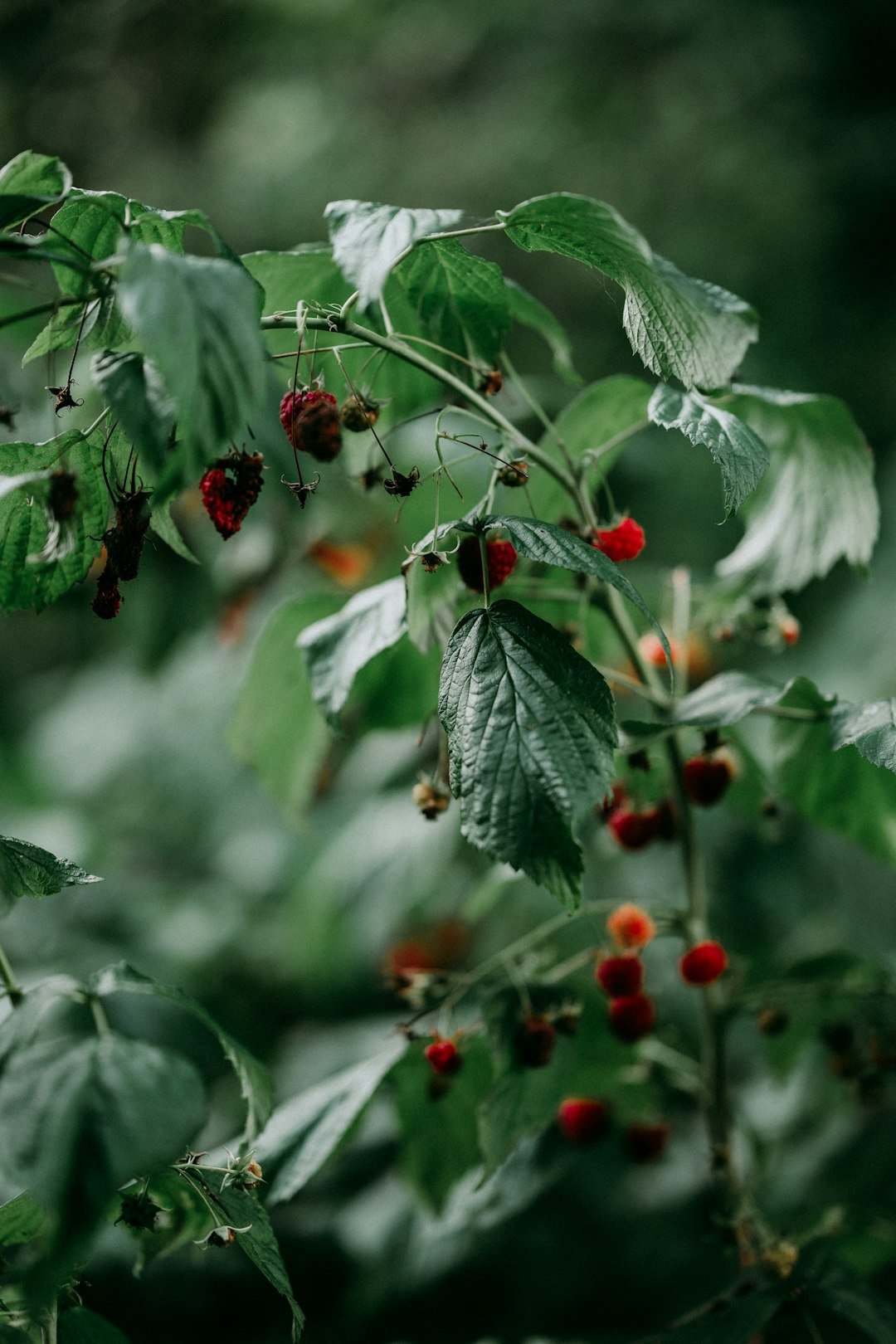
Featured image: wild blackberries growing on a bramble from the BerryNationUSA media library.