
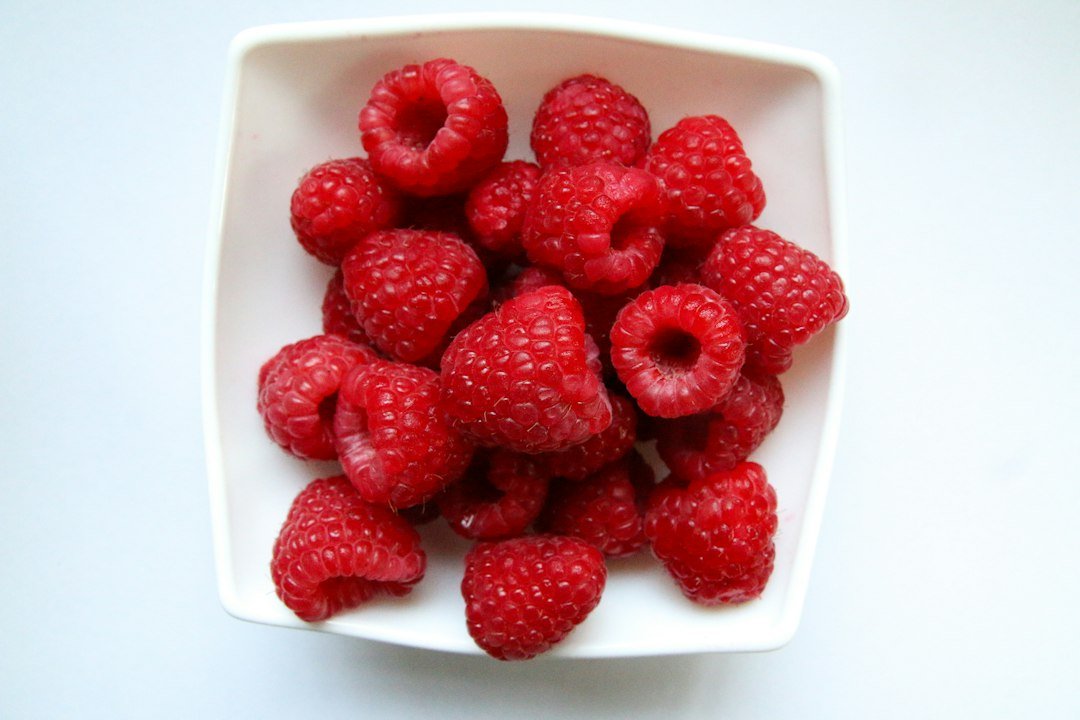
Raspberries are naturally sweet-tart, easy to add to breakfast, and rich in fiber. If you are wondering how many raspberries you should eat in a day, a practical serving for many adults is about one cup of fresh raspberries. That is a food portion, not a medical target: your overall fruit intake, energy needs, digestion, and individual health circumstances matter.
What Is a Typical Serving of Raspberries?
One cup of fresh raspberries is roughly 120–125 grams, depending on berry size and how tightly they are packed. It provides a generous bowl-sized portion and can fit into a balanced eating pattern. A smaller half-cup serving is also perfectly reasonable, especially if you are adding other fruit to the same meal.
Nutrition in a Cup of Raspberries
Raspberries are relatively low in calories and provide dietary fiber, vitamin C, manganese, and naturally occurring plant compounds. Exact nutrition varies with variety, ripeness, and serving size. Their fiber contributes to digestive regularity and helps make the fruit satisfying, while vitamin C supports normal immune function and collagen formation.
Can You Eat Raspberries Every Day?
For most people, raspberries can be part of a daily fruit rotation. You do not need to eat them every day to benefit from fruit, though. Variety matters: blueberries, strawberries, blackberries, citrus, apples, and other fruits provide different combinations of nutrients and flavors.
If you are increasing fiber, do it gradually and drink enough fluids. A sudden large increase in high-fiber foods can cause gas, bloating, or changes in bowel habits. People with a prescribed diet, food allergy, or digestive condition should follow advice from their healthcare professional.
Easy Ways to Add Raspberries to Meals
- Breakfast: add fresh or thawed raspberries to oatmeal, yogurt, or whole-grain cereal.
- Smoothies: blend them with banana, milk or an unsweetened alternative, and plain yogurt.
- Salads: pair raspberries with leafy greens, nuts, and a simple vinaigrette.
- Snacks: enjoy a small bowl with cottage cheese or a handful of nuts.
- Dessert: serve over plain yogurt or use them in a lightly sweetened fruit compote.
For another simple idea, try our mixed berry smoothie recipe or mixed berry compote.
Fresh or Frozen: Which Is Better?
Both fresh and frozen raspberries can be nutritious choices. Frozen berries are usually picked ripe and frozen soon after harvest, making them convenient when fresh fruit is expensive or out of season. Use frozen berries in smoothies, oatmeal, sauces, and baking. Follow package storage instructions and thaw only the amount you plan to use.
How to Wash and Store Raspberries
Raspberries are delicate and can spoil quickly. Keep them refrigerated in a breathable container and remove any crushed or moldy berries. Rinse gently under cool running water just before eating, then drain and pat dry carefully. Washing them long before storage can add moisture and speed spoilage. If you have more than you can use, freeze them in a single layer on a tray before transferring to a freezer-safe container.
Are There Reasons to Limit Raspberries?
Most people can enjoy ordinary food portions, but individual needs differ. Anyone with a raspberry allergy should avoid them. People who experience digestive discomfort from seeds or fiber may prefer a smaller portion or a strained preparation. If you monitor carbohydrate intake for a medical reason, include fruit in your overall meal plan rather than assuming unlimited portions are appropriate.
Frequently Asked Questions
Is one cup of raspberries a day too much?
One cup is a common fruit serving and is generally a reasonable amount for many adults. Your personal tolerance and total diet are more important than a universal daily number.
Are raspberries high in sugar?
Raspberries contain naturally occurring sugars, but they also provide fiber. Whole fruit is different from sweetened raspberry drinks, syrups, or desserts, which may contain added sugar.
Can I eat raspberries at night?
Yes, if they suit your digestion and fit your usual eating pattern. There is no special requirement to eat them at a particular time of day.
Bottom Line
Around one cup of raspberries is a useful serving guide for many adults, but smaller portions are fine too. Enjoy them as one part of a varied diet, choose fresh or frozen according to availability, and increase fiber gradually if you are not used to eating many berries.
Disclaimer: This article is for general nutrition education and is not personalized medical or dietary advice. Consult a qualified healthcare professional for recommendations related to allergies, digestive conditions, or a prescribed diet.