
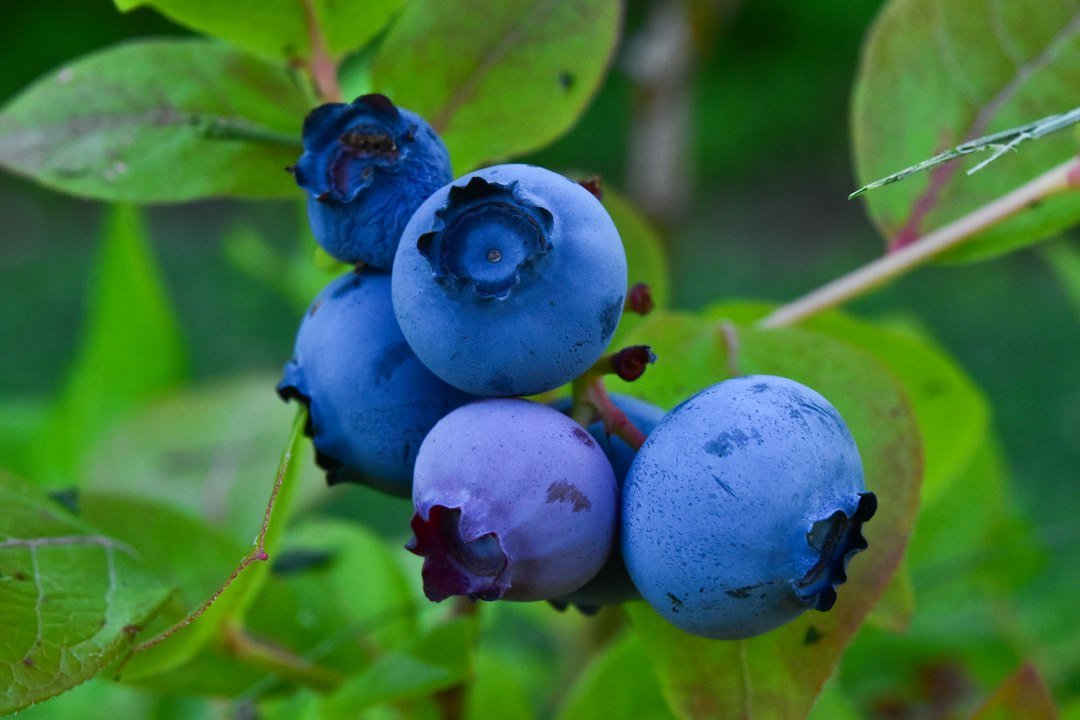
If your family enjoys fresh blueberries, growing a few bushes at home can provide a rewarding summer harvest. The right number depends on how often you eat them, whether you want extra fruit for freezing or baking, the varieties suited to your climate and how much garden space you have. For many households of four, starting with three to six productive bushes is a practical range.
How Many Blueberry Plants Should a Family of Four Grow?
A family of four that wants occasional fresh berries may be happy with two or three mature bushes. If everyone eats blueberries regularly during the season, consider four to six bushes. Families hoping to freeze berries, make jam or bake with their harvest may want six or more, provided they have enough space and suitable growing conditions.
| Household goal | Suggested starting number |
|---|---|
| Occasional fresh eating | 2–3 bushes |
| Regular seasonal snacks | 4–6 bushes |
| Fresh eating plus freezing or baking | 6–8+ bushes |
These are planning estimates, not guaranteed harvest amounts. Yield varies with cultivar, plant age, pruning, pollination, weather, soil acidity, water and care.
Why Growing More Than One Variety Can Help
Many blueberry varieties can produce fruit on their own, but planting two or more compatible varieties that flower at the same time can improve cross-pollination and may increase berry size or yield. Choose varieties suited to your region and chilling requirements. Northern highbush, southern highbush and rabbiteye blueberries have different climate needs, so local nursery or cooperative extension guidance is useful.
How Much Space Do Blueberry Bushes Need?
Spacing depends on the type and mature size of the cultivar. Many highbush varieties are planted roughly four to five feet apart within a row, with wider spacing between rows for access and airflow. Rabbiteye types can grow larger and may need more room. Always follow the spacing recommendation for the specific variety you buy.
For a small garden, you can also consider compact varieties in large containers. Containers need reliable drainage, consistent watering and an acidic growing medium formulated for acid-loving plants.
Choose the Right Growing Conditions
Blueberries generally perform best in acidic soil, often around pH 4.5 to 5.5, with good organic matter and consistent moisture. Test your soil before planting rather than guessing. If the pH is too high, plants may struggle to access nutrients even when fertilizer is present.
- Sunlight: Choose a location with several hours of direct sun; more sun generally supports better fruiting when water is adequate.
- Soil: Aim for acidic, well-drained soil and confirm pH with a test.
- Water: Keep the root zone evenly moist, especially while plants establish and during fruit development.
- Mulch: Use an appropriate organic mulch to help conserve moisture and moderate soil temperature.
- Pruning: Remove dead or damaged wood and prune mature bushes according to their type and age.
How Long Until Blueberry Bushes Produce Fruit?
Young bushes may produce a small crop early, but they usually need several years to become established and reach stronger production. Removing flowers during the first year or two can help a young plant focus energy on root and branch growth. Follow the nursery’s advice for your cultivar and plant size.
Should You Plant All Your Bushes at Once?
If you are new to growing blueberries, starting with three or four well-chosen plants can be easier than planting a large row immediately. Learn how your soil, watering routine and local climate affect them, then add more bushes if your family wants a larger harvest. Select varieties with overlapping bloom times when possible.
Frequently Asked Questions
Are two blueberry bushes enough for a family of four?
Two mature bushes may provide a useful seasonal supply for occasional fresh eating, but they may not be enough if your family eats blueberries daily or wants to preserve a large quantity.
Do blueberry bushes need another plant to produce fruit?
Many varieties are self-fruitful, but compatible varieties flowering at the same time can improve pollination and sometimes increase fruit size and yield.
Can I grow blueberries in pots?
Yes. Choose a compact cultivar, a large container with drainage and an acidic potting mix. Container plants need careful watering because pots can dry out faster than garden soil.
How many pounds of blueberries will one bush produce?
There is no single reliable figure for every bush. Mature yield depends on cultivar, age, climate, pollination, pruning and growing conditions. Use variety-specific nursery information for a realistic local estimate.
Final Thoughts
For a family of four, three to six blueberry bushes are a sensible starting point for regular seasonal fruit, while a larger planting can support freezing and baking. Prioritize varieties suited to your climate, acidic soil, proper spacing and steady moisture. A few healthy bushes are more useful than a larger planting that cannot be cared for properly.
This article is for general gardening information. Local growing conditions and cultivar requirements vary; consult a regional extension service or knowledgeable nursery for planting advice.
1 thought on “How Many Blueberry Plants Do You Need for a Family of Four?”