
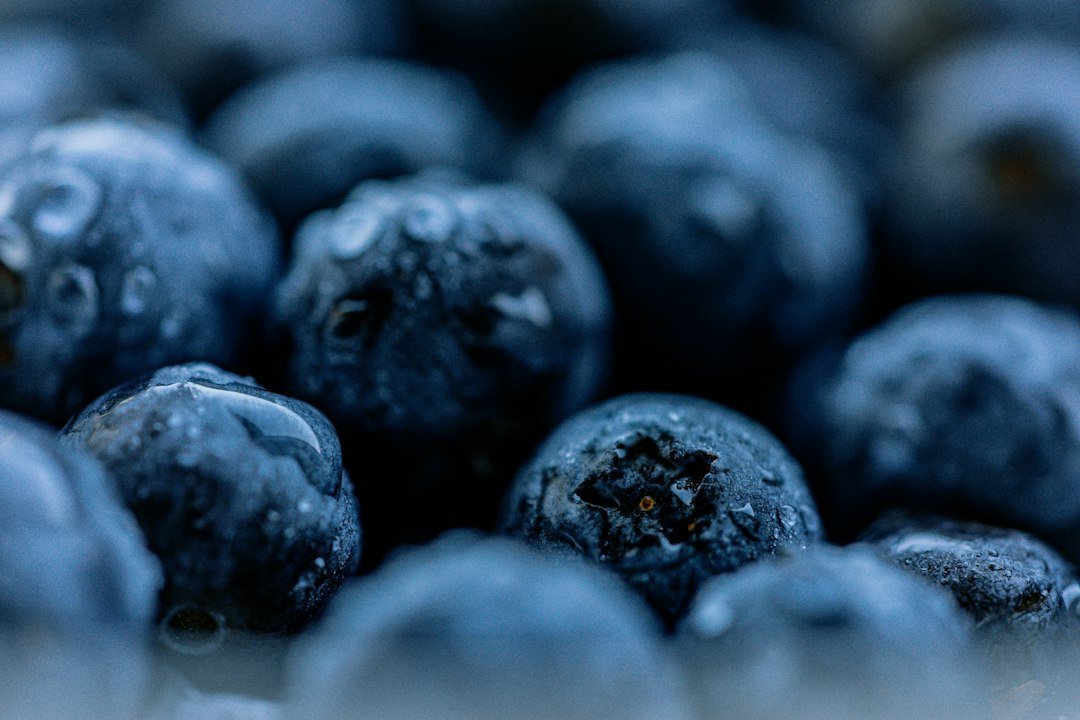
Fresh blueberries are delicate, and excess moisture can make them spoil faster in the refrigerator. The best way to store them is simple: keep the berries cool, dry, and protected, then rinse only the amount you are ready to eat. These steps can help you keep blueberries fresh longer and reduce avoidable food waste.
How to Store Fresh Blueberries in the Refrigerator
- Sort the berries. Remove crushed, leaking, moldy, or shriveled berries so they do not affect the rest.
- Keep them dry. Do not wash the whole batch before storage. Moisture left on the fruit can encourage spoilage.
- Choose a breathable container. Use the original ventilated carton or a shallow container lined with a clean paper towel. Avoid packing berries tightly.
- Refrigerate promptly. Store blueberries in the refrigerator, ideally in a spot where they will not be crushed or exposed to strong odors.
- Check regularly. Remove any damaged berries and replace a damp paper towel if needed.
Should You Wash Blueberries Before Storing Them?
It is generally better to wash blueberries just before eating or using them. If you prefer to wash them in advance, rinse gently under cool running water, drain thoroughly, and dry completely before refrigerating. Do not leave wet berries sitting in a sealed container.
How Long Do Fresh Blueberries Last?
Storage life varies with the berries’ freshness at purchase, handling, refrigerator temperature, and moisture. Check them daily and use them while they are firm and free from mold. Do not rely on a fixed number of days as a guarantee; discard berries that show mold, fermentation, leaking, or an unpleasant smell.
Can You Freeze Fresh Blueberries?
Yes. Freezing is a useful way to preserve berries when you cannot use them soon.
- Sort the blueberries and remove damaged fruit.
- Rinse if needed, then dry them thoroughly.
- Spread the berries in a single layer on a tray.
- Freeze until firm, then transfer to a freezer-safe bag or airtight container.
- Label with the date and return them to the freezer promptly.
Frozen blueberries are excellent for smoothies, baking, sauces, oatmeal, and cooked recipes. They may become softer after thawing, so they are not always ideal when you want the texture of fresh berries.
How to Tell If Blueberries Have Gone Bad
- Visible mold or fuzzy growth.
- Leaking juice or berries that have become very mushy.
- A fermented, sour, or otherwise unpleasant smell.
- Widespread shriveling or an unusual slimy surface.
If you find mold in a container, do not taste the affected berries. Discard moldy fruit and inspect the remaining berries carefully; when in doubt, throw them out.
Common Blueberry Storage Mistakes
- Washing the entire batch and storing it while still wet.
- Leaving berries at room temperature for extended periods.
- Keeping damaged fruit mixed with sound berries.
- Sealing damp berries in an airtight container.
- Storing heavy items on top of the container and crushing the fruit.
Frequently Asked Questions
Should blueberries be stored in an airtight container?
Use a clean container that protects the fruit without trapping excess moisture. If using an airtight container, make sure the berries are completely dry and check for condensation.
Can blueberries be stored at room temperature?
For best quality, refrigerate fresh blueberries promptly. Keep them out of direct sunlight and heat while preparing or serving them.
Do frozen blueberries need to be thawed before baking?
Many recipes allow frozen blueberries to be added directly. Follow the recipe instructions and expect frozen berries to release more juice as they cook.
Can I eat blueberries straight from the carton?
Wash fresh produce under cool running water before eating. Do not use soap or household cleaners on fruit.
Make the Most of Your Berry Harvest
Explore more berry ideas in our guides to growing raspberries in containers, blueberry bush spacing, and easy blueberry pancakes.
Food safety note: Follow USDA guidance for washing fresh produce under running water. Do not use soap, detergent, or bleach on berries.
2 thoughts on “How to Store Blueberries: Keep Fresh Berries Longer”