
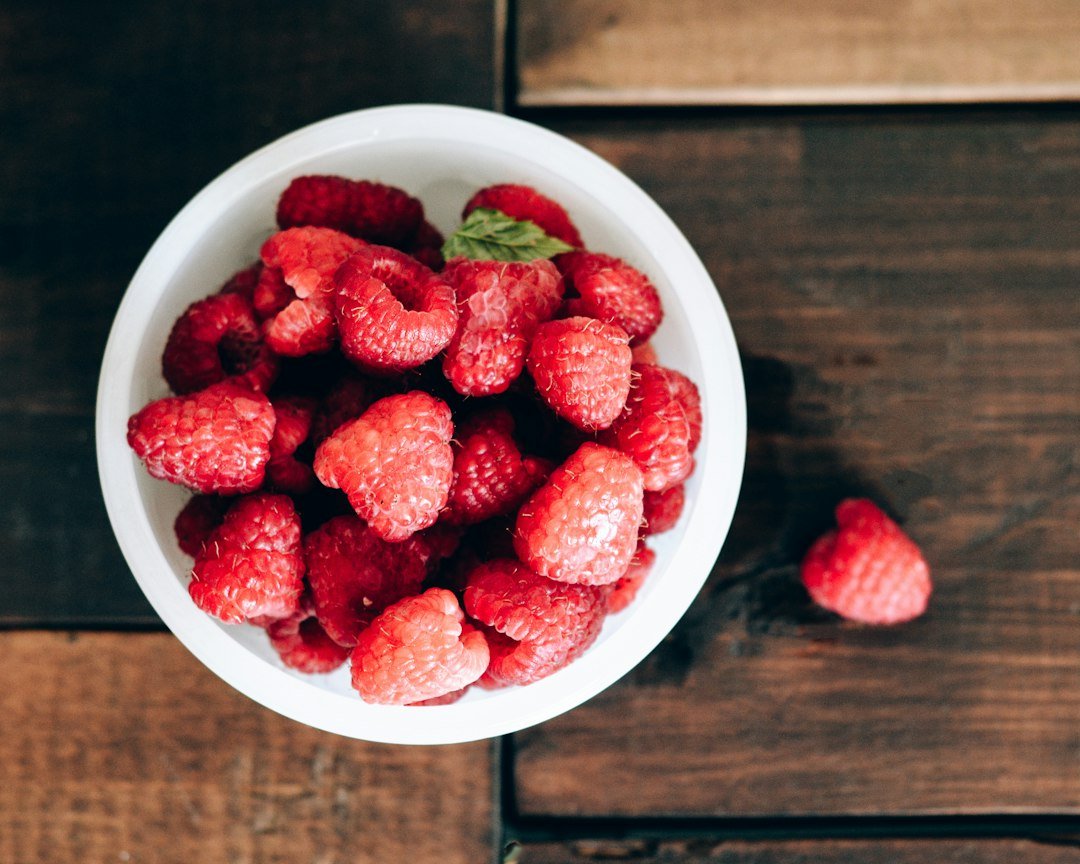
Raspberries are delicate, juicy, and easily crushed, so careful handling makes a real difference in how long they stay appealing. The most useful habits are choosing dry, firm fruit, checking the container for damaged berries, refrigerating promptly, and washing shortly before eating.
Choose Good Raspberries at the Store
Look for plump berries with an even red color and no visible mold or leaking juice. Check the bottom and corners of the container, where damaged fruit can be easy to miss. Avoid packs with many crushed berries, wet patches, or a sour smell.
Sort Them as Soon as You Get Home
Gently remove any moldy, leaking, or badly crushed raspberries. One spoiled berry can affect nearby fruit, especially when moisture is trapped in the container. Handle the rest as little as possible because raspberries bruise easily.
Should You Wash Raspberries Before Storing?
For everyday storage, it is often best to wait and rinse raspberries shortly before eating or using them. Extra moisture can encourage spoilage, and the fruit’s soft structure makes thorough drying difficult. When you do wash them, use cool running water and handle them gently.
How to Store Raspberries in the Refrigerator
- Keep berries in a shallow, clean container to avoid crushing the bottom layer.
- Do not pack them tightly or seal away moisture while the fruit is wet.
- Refrigerate promptly rather than leaving them on the counter for long periods.
- Check daily and remove any berries that begin to spoil.
Raspberries are fragile, and storage life depends on their condition when purchased, temperature, and moisture. Use them as soon as practical instead of relying on a fixed number of days. For a general berry-storage routine, see our guide to storing berries in the fridge.
Can You Freeze Fresh Raspberries?
Yes. Freezing is useful when you cannot eat the berries soon. Sort and discard damaged fruit, rinse if needed, then dry thoroughly. Arrange the raspberries in a single layer on a tray and freeze until firm. Transfer them to a labeled freezer-safe bag or container, remove excess air where practical, and return them to the freezer.
Frozen raspberries may be softer after thawing, so they are especially useful in smoothies, sauces, baking, and cooked dishes. Follow the same general method in our guide to freezing fresh berries without clumping.
Signs Raspberries Have Spoiled
- Visible fuzzy mold
- Strong sour or fermented odor
- Excessive leaking or a slimy texture
- Widespread collapse or discoloration beyond normal softening
If you see mold in a container of soft berries, it is safest to discard moldy fruit and carefully assess the rest; when contamination is widespread or uncertain, discard the container. Do not taste berries to determine whether they are safe.
Ways to Use Raspberries Before They Spoil
- Blend them into a smoothie with banana and yogurt.
- Stir them into oatmeal or overnight oats.
- Cook them into a quick fruit sauce or compote.
- Add them to muffins, pancakes, or a simple crumble.
- Combine them with other berries for a colorful fruit bowl.
If you enjoy mixed fruit, explore our guides to the best berries for smoothies and making an easy mixed berry compote.
Frequently Asked Questions
Should raspberries be kept in an airtight container?
Use a clean container that protects the fruit without trapping excess moisture. If the original package is ventilated and the berries are in good condition, it may be suitable for short-term storage.
Can I leave raspberries on the counter?
They are delicate and generally keep better when refrigerated. Take out only the portion you plan to eat and return the rest promptly.
Can I freeze raspberries without washing them?
Sort them first and follow safe produce-handling practices. If you wash them, dry them thoroughly before freezing to help prevent ice buildup.
Key Takeaway
Buy dry, firm raspberries, remove spoiled fruit, refrigerate promptly, and wash shortly before use. If you cannot eat them soon, freeze the berries for smoothies, baking, and sauces rather than letting them go to waste.