
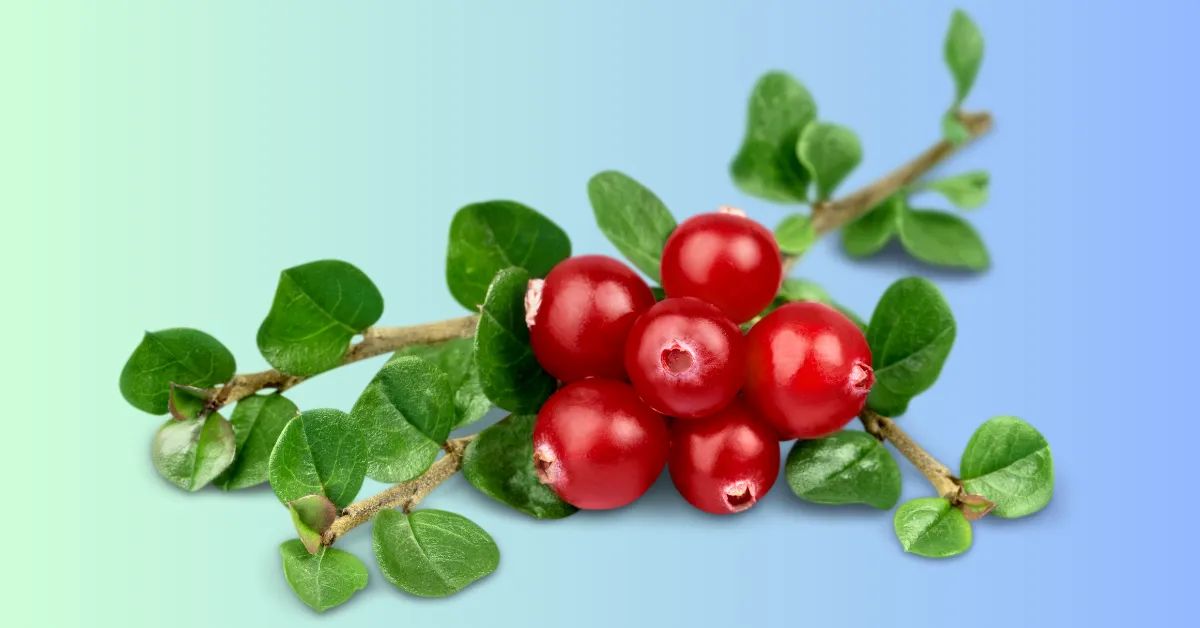
The sight of a crimson-hued cranberry sauce often brings to mind festive holiday dinners. But this small, tart berry, scientifically known as Vaccinium macrocarpon, holds a rich history and a wealth of benefits that extend far beyond the Thanksgiving table. From its unique cultivation in flooded bogs to its powerful nutritional profile, the cranberry is a true superfood deserving of year-round appreciation.
This comprehensive guide will take you on a journey through the world of cranberries. We will explore their fascinating history, uncover the secrets of their cultivation, and detail the impressive health benefits backed by science. You will also discover the versatile culinary uses of cranberry, with creative recipes to incorporate this vibrant fruit into your daily meals. Prepare to see the humble cranberry in a whole new light.
Contents
- 1 A Tart History: The Cranberry’s American Roots
- 2 The Unique Cultivation of Cranberries
- 3 The Growing Cycle
- 4 Nutritional Value of Cranberry: A Tiny Berry with Big Power
- 5 Cranberry Health Benefits: More Than Just UTI Prevention
- 6 Culinary Uses of Cranberry: From Sauce to Smoothies
- 7 Creative Cranberry Recipes
- 8 The Cranberry: A Small Berry with a Mighty Impact
A Tart History: The Cranberry’s American Roots
The story of the cranberry is deeply woven into the fabric of North American history. Long before European settlers arrived, Native American tribes, including the Algonquin, Chippewa, and Wampanoag, revered the berry for its versatility. They called it “sasemineash” or “ibimi,” meaning “bitter berry.”
Cranberries were a vital resource. They were used as a food source, a vibrant dye for textiles, and a medicinal ingredient. Tribes would pound them into a paste with dried deer meat and fat to create “pemmican,” a high-energy, long-lasting food perfect for surviving harsh winters. Medicinally, the poultices were applied to wounds to draw out poison, and the juice was used to treat fevers and other ailments.
When European colonists arrived in the 17th century, they learned about the berry from the native population. They nicknamed it “crane-berry” because the flower’s stem, calyx, and petals resembled the neck, head, and bill of a crane. Over time, this was shortened to cranberry. Sailors on long voyages consumed cranberries, rich in Vitamin C, to prevent scurvy, making the fruit a valuable commodity.
Commercial cultivation began in the early 19th century. Captain Henry Hall, a veteran of the Revolutionary War, is credited as the first to cultivate cranberries on a large scale in Dennis, Massachusetts, around 1816. He noticed that the wild berries in his bogs grew better when sand was blown over them, a practice that became a cornerstone of modern cranberry farming. From these humble beginnings, the cranberry industry has grown into a major agricultural enterprise, primarily in the United States, Canada, and Chile.
The Unique Cultivation of Cranberries
Cranberry farming is unlike any other type of agriculture. These hardy evergreen dwarf shrubs grow on low-lying vines in sandy bogs and marshes. Contrary to popular belief, cranberries do not grow in water. They are grown on dry land for most of the year. The iconic image of cranberries floating in a flooded field is only part of the harvest process.
The Growing Cycle
The cranberry life cycle is a year-long process. During the winter, the vines lie dormant under a protective layer of ice or water, shielding them from harsh winds and freezing temperatures. As spring arrives and the ice thaws, the bogs are drained. The vines begin to grow, and by late spring, they produce delicate, pinkish-white blossoms that resemble the head of a crane.
Bees are essential for this stage. Farmers bring in hives to pollinate the blossoms, and each successfully pollinated flower will eventually develop into a cranberry. Throughout the summer, the berries mature, slowly changing from a pale green to their characteristic deep red.
The Harvest: Wet vs. Dry
The harvest, which occurs from mid-September to early November, can be done in two ways: wet or dry.
1. Wet Harvesting: This is the most common method and accounts for about 90% of the total crop. The bogs are flooded with up to 18 inches of water the night before the harvest. The next day, farmers use water reels, often called “egg beaters,” to churn the water and dislodge the berries from the vines. Because each cranberry has four small air pockets inside, they float to the surface. The floating berries are then corralled with booms and pumped or conveyed into trucks for cleaning and processing. These cranberries are typically used for juice, sauces, and dried fruit products.
2. Dry Harvesting: This method is used for about 10% of the crop, primarily for the fresh fruit market. Farmers use walk-behind, mechanized pickers that comb the berries from the vines. The berries are collected in burlap sacks and transported by helicopter or truck to avoid damaging the vines. Dry-harvested cranberries are considered higher quality, as they are handled more gently and have not been submerged in water, giving them a longer shelf life.
Nutritional Value of Cranberry: A Tiny Berry with Big Power
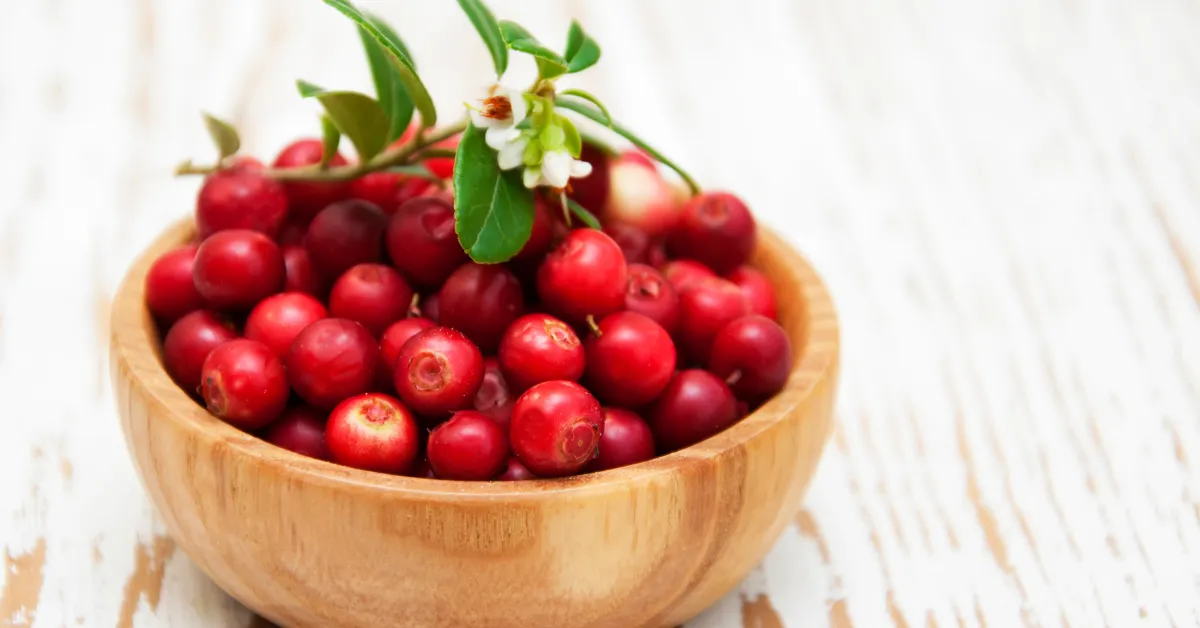
The cranberry’s tartness is a clue to its potent nutritional content. While composed of nearly 90% water, the remaining 10% is packed with carbohydrates, fiber, and a remarkable array of vitamins and phytonutrients.
A one-cup (100-gram) serving of fresh, raw cranberries contains approximately:
| Nutrient | Amount per 100g | % Daily Value (DV) |
|---|---|---|
| Calories | 46 | — |
| Water | 87% | — |
| Protein | 0.4 g | — |
| Carbohydrates | 12.2 g | — |
| Sugar | 4 g | — |
| Fiber | 4.6 g | — |
| Vitamin C | — | 22% |
| Manganese | — | 18% |
| Vitamin E | — | 8% |
| Vitamin K1 | — | 6% |
| Copper | — | 6% |
The true power of the cranberry lies in its high concentration of bioactive plant compounds and antioxidants. Chief among these are A-type proanthocyanidins (PACs), which are unique to cranberries and responsible for many of their health benefits. Other important compounds include quercetin, myricetin, peonidin, and ursolic acid.
The true power of the cranberry lies in its high concentration of bioactive plant compounds and antioxidants. Chief among these are A-type proanthocyanidins (PACs), which are unique to cranberries and responsible for many of their health benefits. Other important compounds include quercetin, myricetin, peonidin, and ursolic acid.
| Health Benefit | Description |
|---|---|
| Urinary Tract Health | Helps prevent UTIs by stopping harmful bacteria from adhering to the urinary tract walls |
| Antioxidant Protection | Contains high levels of antioxidants that combat free radicals and reduce cell damage |
| Heart Health | Supports cardiovascular health by improving cholesterol and reducing blood pressure |
| Digestive & Gut Support | Promotes healthy digestion and inhibits harmful stomach bacteria |
| Oral Hygiene | Reduces formation of dental plaque and helps prevent gum disease |
| Potential Anti-Cancer Effects | Contains compounds studied for slowing tumor growth and reducing inflammation |
Cranberry Health Benefits: More Than Just UTI Prevention
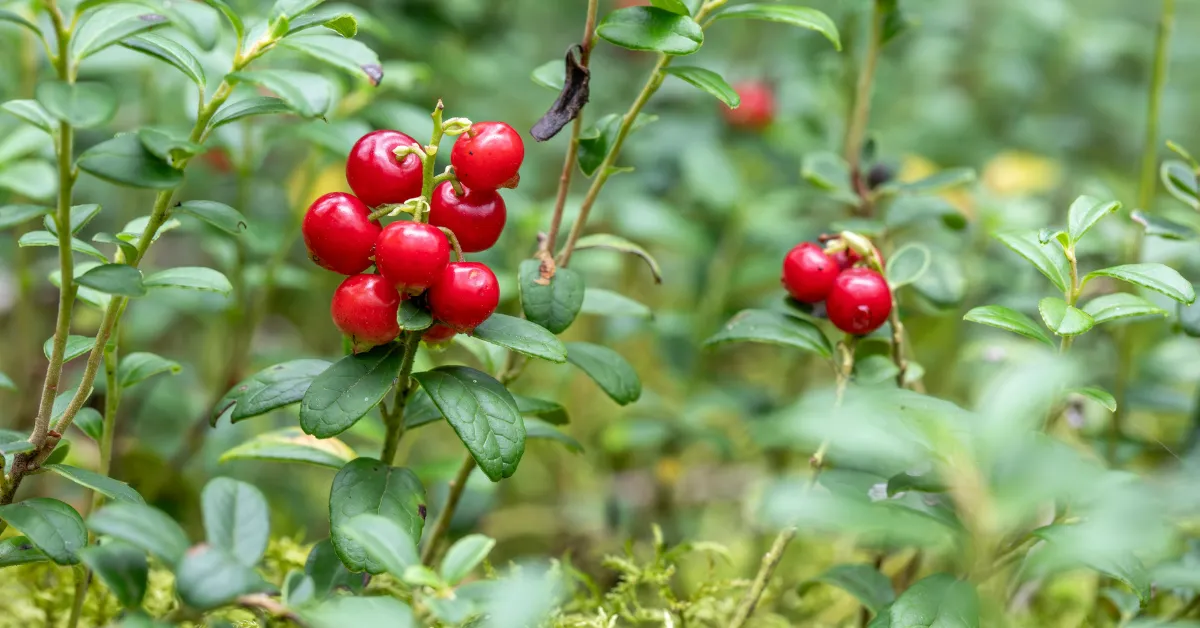
For decades, the primary health claim associated with cranberries has been the prevention of urinary tract infections (UTIs). However, modern research has revealed a much broader spectrum of benefits, solidifying the cranberry’s status as a functional food.
1. Urinary Tract Health
The most well-known of the cranberry health benefits is its ability to help prevent UTIs. This is not due to making the urine more acidic, as was once thought. Instead, the A-type proanthocyanidins (PACs) in cranberries have a unique anti-adhesion property. They prevent harmful bacteria, particularly E. coli, from sticking to the walls of the bladder and urinary tract. Unable to attach, the bacteria are flushed out of the body, preventing an infection from taking hold. Studies have shown that regular consumption of cranberry juice or supplements can significantly reduce the recurrence of UTIs, especially in women.
2. Powerful Antioxidant Properties
Cranberries are rich in antioxidants, which are compounds that protect the body from damage caused by free radicals. Free radicals are unstable molecules that contribute to aging and the development of chronic diseases like heart disease and cancer. The antioxidant capacity of cranberries is among the highest of all common fruits, surpassing even blueberries, strawberries, and red grapes. This activity is attributed to its high content of flavonoids, phenolic acids, and anthocyanins.
3. Improved Heart Health
Regularly incorporating cranberries into your diet may benefit your cardiovascular system. The antioxidants and anti-inflammatory compounds in cranberries can help:
- Lower Blood Pressure: Some studies suggest that cranberry juice can help relax blood vessels, leading to improved blood flow and lower blood pressure.
- Improve Cholesterol Levels: Cranberries may help increase levels of HDL (good) cholesterol while reducing the oxidation of LDL (bad) cholesterol, a key step in the development of atherosclerosis (plaque buildup in arteries).
- Reduce Inflammation: The polyphenols in cranberries can help reduce systemic inflammation, a known risk factor for heart disease.
4. Gut Health and Digestive Support
The health of our gut microbiome is crucial for overall well-being. Cranberries can play a positive role in maintaining a healthy gut. The same PACs that prevent bacteria from sticking in the urinary tract also work in the stomach. They can inhibit the growth of Helicobacter pylori (H. pylori), a bacterium that can cause stomach ulcers and is a major risk factor for stomach cancer. Furthermore, the fiber in whole cranberries acts as a prebiotic, feeding beneficial gut bacteria and promoting a healthy digestive system.
5. Enhanced Oral Hygiene
The anti-adhesion properties of cranberry PACs also extend to oral health. These compounds can disrupt the formation of plaque by preventing bacteria from sticking to the surface of teeth. This can help reduce the risk of cavities and gum disease. While promising, it is important to choose unsweetened cranberry products, as sugary versions can counteract these benefits.
6. Potential Anti-Cancer Effects
While research is still in its early stages, laboratory and animal studies have shown that the compounds in cranberries may have anti-cancer properties. The polyphenols in cranberries have been found to induce cancer cell death, slow tumor growth, and reduce inflammation in studies involving prostate, colon, breast, and lung cancer cells. More human research is needed, but the preliminary findings are promising.
Culinary Uses of Cranberry: From Sauce to Smoothies
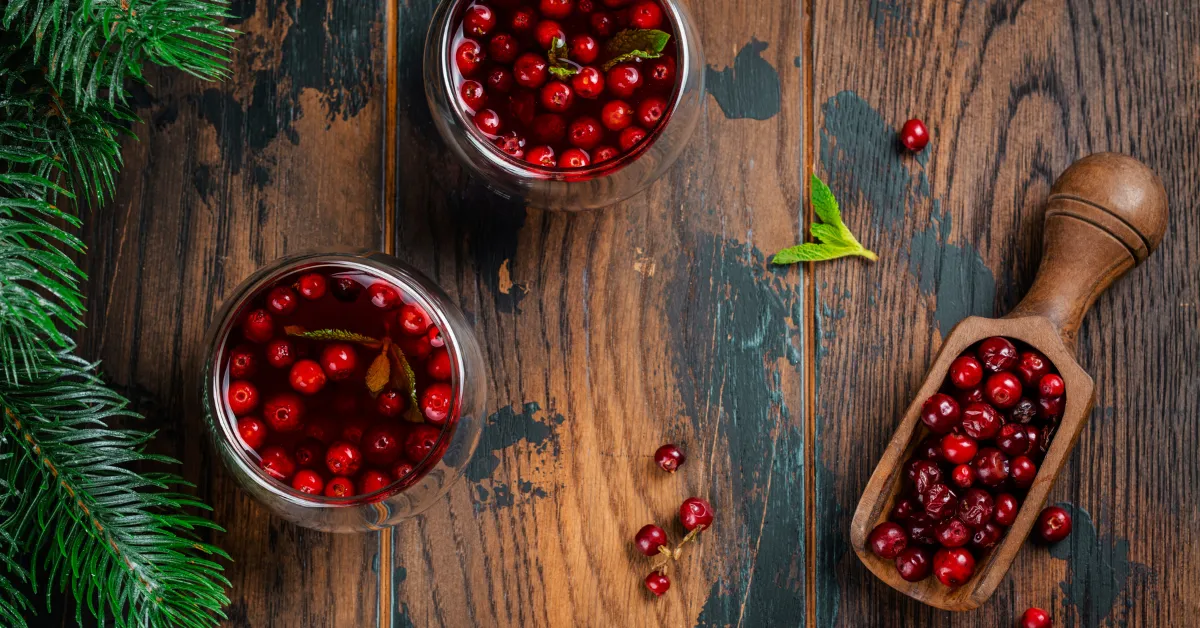
The tart, complex flavor of cranberries makes them an incredibly versatile ingredient in the kitchen. While most people are familiar with cranberry sauce and juice, there are countless other ways to enjoy this fruit.
Fresh and Frozen Cranberries
When working with fresh or frozen cranberries, their intense tartness needs to be balanced. They are rarely eaten raw.
- Sauces and Chutneys: The classic cranberry sauce can be customized with orange zest, cinnamon, cloves, or ginger. A savory cranberry chutney with onions and vinegar is a fantastic accompaniment to roasted meats and cheeses.
- Baking: Add fresh or frozen cranberries to muffins, scones, quick breads, and coffee cakes. Their tartness provides a wonderful contrast to the sweetness of the batter. They also pair beautifully with apples, pears, and oranges in pies and crumbles.
- Roasting: Toss whole cranberries with root vegetables like sweet potatoes and carrots before roasting. As they cook, they burst and release their juices, creating a tangy glaze.
Dried Cranberries
Sweetened dried cranberries, often known by the brand name Craisins, are a popular and convenient option.
- Salads: Sprinkle them over green salads for a pop of color and chewy sweetness. They pair particularly well with goat cheese, walnuts, and a vinaigrette dressing.
- Trail Mix and Granola: Combine dried cranberries with nuts, seeds, and other dried fruits for a homemade energy-boosting snack.
- Baked Goods: Use them in cookies, especially oatmeal or white chocolate chip, and as a topping for yogurt and oatmeal.
Cranberry Juice
When choosing cranberry juice, opt for 100% pure, unsweetened juice for the most health benefits. The common “cranberry juice cocktail” is often loaded with sugar and contains only a small percentage of actual cranberry juice.
- Beverages: Pure cranberry juice can be diluted with sparkling water or mixed with other fruit juices like apple or grape to balance its tartness.
- Smoothies: A splash of cranberry juice adds a tangy kick and a nutrient boost to any fruit smoothie. It pairs well with bananas, strawberries, and spinach.
- Marinades and Glazes: The acidity and flavor of cranberry juice make it an excellent base for marinades for chicken or pork. It can also be reduced on the stovetop to create a delicious glaze.
Creative Cranberry Recipes
Ready to move beyond the can? Here are a few simple cranberry recipes to get you started.
1. Spiced Orange Cranberry Sauce
A vibrant, flavorful alternative to store-bought sauce.
Ingredients:
- 1 (12-ounce) bag of fresh or frozen cranberries
- 1 cup orange juice
- 1/2 cup sugar (or maple syrup)
- Zest of one orange
- 1 cinnamon stick
- 1/4 teaspoon ground cloves
Instructions:
- Combine all ingredients in a medium saucepan.
- Bring to a boil over medium-high heat, then reduce heat to a simmer.
- Cook for 10-15 minutes, stirring occasionally, until the cranberries have burst and the sauce has thickened.
- Remove from heat and discard the cinnamon stick. The sauce will thicken further as it cools. Serve warm or chilled.
2. Cranberry-Pistachio Energy Bites
A perfect no-bake snack for a quick energy boost.
Ingredients:
- 1 cup rolled oats
- 1/2 cup dried cranberries
- 1/2 cup shelled pistachios
- 1/2 cup creamy peanut butter (or other nut butter)
- 1/3 cup honey or maple syrup
- 1 teaspoon vanilla extract
- A pinch of salt
Instructions:
- Combine the oats, cranberries, and pistachios in a food processor and pulse a few times to roughly chop.
- Add the peanut butter, honey, vanilla, and salt. Pulse until the mixture comes together and is sticky.
- Roll the mixture into 1-inch balls.
- Store in an airtight container in the refrigerator for up to two weeks.
The Cranberry: A Small Berry with a Mighty Impact
The cranberry is far more than just a seasonal garnish. It is a fruit with a rich history, a unique method of cultivation, and a powerful nutritional profile that offers a wide array of health benefits. From supporting urinary tract health and boosting heart function to improving digestion and oral hygiene, the uses of cranberry are as diverse as they are impressive.
By understanding its journey from the bog to your table and exploring its versatility in the kitchen, you can embrace the vibrant flavor and potent health benefits of this remarkable American berry all year long. So next time you see those ruby-red gems in the produce aisle, think beyond the holiday sauce and discover all the wonderful ways the mighty cranberry can enhance your health and your meals.
Also Read: Raspberry (Rubus idaeus strigosus): A Complete Guide to Cultivation, Benefits, and Uses